Les hommes ont oublié cette vérité. Mais tu ne dois pas l'oublier, dit le renard. Tu deviens responsable pour toujours de ce que tu as apprivoisé.
Le Petit Prince, chap. 21
Showing posts with label genetics. Show all posts

Wednesday, 17 August 2016

Analysis of six Latin American cat populations through coat genes and molecular microsatellite markers

Ruiz-García, M., & Alvarez, D. (2003). Análisis de seis poblaciones latinoamericanas de gatos mediante genes del pelaje y marcadores microsatélites. Acta zoológica mexicana, (89), 261-286. (Analysis of six Latin American cat populations through coat genes and molecular microsatellite markers)

Six Latin American cat populations (La Havana, San Jose, Bogotá, Asunción, Buenos Aires and Santiago) have been studied from a population genetics standpoint by using different morphological coat and molecular microsatellite markers (FCA43, FCA45, FCA96 and FCA126). The main aims of the current work are as follows: (1) To determine whether the type and intensity of the genetic differences found for diverse morphological loci among the current British cat populations and those from the British oversea colonies (USA, Canada and Australia) agree with the differences among the current Spanish cat populations and those from Latin America and (2) to determine if the genetic relationships among some of these Latin American cat populations are in agreement by using independently morphological and molecular microsatellite markers. The different results obtained were as follows: (A) All populations analyzed were in Hardy-Weinberg equilibrium at the O, S and at the four microsatellite loci studied with the exception of La Havana at the S locus. (B) The trees obtained showed that the relationships of the six cat populations studied regard to the Spanish populations, in particular, and with the European populations, in general, were extremely heterogeneous. Therefore, for instance, Asuncion was genetically identical to some Catalonian populations meanwhile Santiago (Chile) revealed more resemblance with the cat populations of presumed British origin in the Eastern Coast of the United States by means of the coat color genes. The striking genetic heterogeneity among some of these Latin American cat populations could be explained by the existence of different geographic, or temporal, migrations from Spain and/or that diverse gene drift degrees were present in the foundation of the diverse populations studied. Finally, the molecular results were similar to those obtained with the gross morphological genes. Therefore, the overall evolution of these morphological markers is controlled more probably by neutral stochastic forces than by selective ones.

Resumen
Seis poblaciones latinoamericanas de gatos (La Habana, San José, Bogotá, Asunción, Buenos Aires y Santiago) han sido estudiadas desde una perspectiva genético poblacional con marcadores que codifican características morfológicas del pelaje y marcadores moleculares nucleares microsatélites (FCA43, FCA45, FCA96, FCA126). A partir de las frecuencias alélicas de ambos tipos de marcadores genéticos se investigó: (1) si el tipo y la intensidad de las diferencias genéticas encontradas para diversos loci morfológicos entre las poblaciones de gatos en Gran Bretaña y en sus ex-colonias transmarítimas (EU, Canadá, Australia) se dio también entre las poblaciones de gatos actuales en España y en Latinoamérica y (2) si las relaciones genéticas de esos caracteres morfológicos entre algunas de esas poblaciones latinoamericanas de gatos fue paralela a las relaciones encontradas con marcadores moleculares microsatélites. Los resultados obtenidos fueron: (A) Todas las poblaciones analizadas estuvieron en equilibrio Hardy-Weinberg para los loci O, S y para los cuatro loci microsatélites estudiados, con la excepción de la población de La Habana para el locus S. (B) Los fenogramas obtenidos mostraron que las relaciones de las seis poblaciones latinoamericanas de gatos respecto a las poblaciones españolas y europeas fueron muy heterogéneas. Por ejemplo, la población de Asunción (Paraguay) fue genéticamente indistinguible de algunas poblaciones de gatos analizadas en Cataluña, tanto con los genes morfológicos como con los microsatélites, mientras que Santiago presentó más semejanzas con las poblaciones de gatos de presunto origen británico en la costa Este de los Estados Unidos cuando se utilizaron los genes del pelaje. La fuerte heterogeneidad genética entre algunas de las poblaciones latinoamericanas estudiadas hace pensar en que diversas migraciones geográficas, o temporales, se dieron desde España, o que diversos grados de deriva genética se dieron en la fundación de las diferentes poblaciones latinoamericanas estudiadas. Finalmente, los resultados moleculares son similares a los obtenidos con los genes de codificación morfológica por lo que la evolución global de éstos parece más modulada por fuerzas neutrales que selectivas.

Saturday, 13 August 2016

Spatial ecology and population genetics of cats living in or near conservation-sensitive areas

Cross, C. (2016). Spatial ecology and population genetics of cats (Felis catus) living in or near conservation-sensitive areas (Doctoral dissertation, University of Otago).


Human-mediated dispersal of organisms across the world has resulted in species introductions into many vulnerable ecosystems. Invasive mammalian predators have had detrimental impacts on native island biota, leading to declines and extinctions of many endemic prey species. Humans have transported cats (Felis catus) across the world as mousers on ships and as companion animals. The role cats (especially feral) have played in the decline and extinction of several island species is clear; however, different types of cats classified by their associations with humans has an influence on the public perception of cat impacts on wildlife and acceptance of appropriate management strategies.
I studied the spatial ecology of two different types of cats in two different conservation-sensitive areas (Te Anau Basin and Canterbury/North Otago) in the South Island of New Zealand. I conducted this research to gain an insight into companion cat spatial ecology and feral cat population genetics. Specifically, to investigate individual cat movement patterns and population level movements to discover putative geographic barriers to movement. Additionally, I intended to aid formulation and reinforcement of appropriate and current management strategies with respect to conservation-sensitive areas that support high levels of native biodiversity.
Cat capture rates in the Tasman Valley from March 2005 toFebruary 2013 (included as 2012).

In the Te Anau Basin, the township of Te Anau lies on the edge of Lake Te Anau, directly adjacent to Fiordland National Park. The Kepler Mire conservation area, also situated in the Te Anau Basin, is a nearby wetland that supports a diverse range of fauna. I GPS tracked 32 local companion cats (11F:21M) for a maximum of 10 to 14 days over the austral spring/summer. I recorded a total of 19,157 locations prior to filtering data for erroneous locations. Home range and habitat analysis were performed on a filtered dataset of 13,241 locations using 100% minimum convex polygons (MCP) and Objective-Restricted-Edge Polygons (OREP). Dispersal barriers might be acting to prevent movement of tracked cats into Fiordland National Park, but not the Kepler Mire conservation area. I found males (mean MCP: 22.13 ha, OREP: 1.05 ha) exhibited larger movements (home range and distance travelled from home) than females (mean MCP: 8.83 ha, OREP: 0.45 ha) and rural-living cats (mean MCP: 32.54 ha, OREP 1.33 ha) exhibited larger movements than urban-living cats (mean MCP: 5.90 ha, OREP: 0.46 ha).  Cats showed a tendency to preferentially select Built, Cover and Sealed habitat features.  Although there was great individual variation in the ranging behaviour, there was no sex or age-related difference observed in the cats’ resource selection.
To infer population movements, I used 10 microsatellite loci and a sexidentification marker, in a multiplex framework, to infer population structure of 157 feral cats in the upper Waitaki Basin (Tasman Valley, Ohau River and Ahuriri Valley) and Macraes Flat. I found some evidence of population connectivity between the sites based on migration rates and low FST values, indicating features in the landscape that act to facilitate dispersal. Bayesian clustering analysis noted the presence of three separate clusters; however, assignment rates were low for the Ohau River, Tasman Valley and Macraes Flat sites. Spatial autocorrelation and Mantel tests indicated rough terrain (i.e. mountain ranges) might limit dispersal. Macraes Flat and Ohau River might function as man-made sinks due to lower relatedness scores. Lower relatedness, genetic differentiation scores, and proximity to human habituation suggested there might be genetic input from nearby stray and companion cat populations. Due to large movements exhibited by feral cats in these areas, reinvasion into trapped areas seems likely; however, the Tasman Valley might be able to be managed as an eradication unit, if movement out of the Ohau River and surrounding area is reduced. Continued genetic monitoring of
these sites and sampling of local stray and companion cats might help to identify if there is connectivity between different types of cats (i.e. companion, stray and feral). Additionally, continued genetic monitoring might be able to determine if genetic differentiation increases between each site in response to trapping operations.
Tighter regulations regarding companion cat management might aid New Zealand conservation efforts by reducing and restricting movement and cat interactions with native wildlife. Stricter companion and stray cat regulations might also benefit feral cat control efforts; however, this aspect requires further analysis. 

Friday, 3 June 2016

Genetic signatures underlying feline biology and domestication


Little is known about the genetic changes that distinguish domestic cat populations from their wild progenitors. Here we describe a high-quality domestic cat reference genome assembly and comparative inferences made with other cat breeds, wildcats, and other mammals. Based upon these comparisons, we identified positively selected genes enriched for genes involved in lipid metabolism that underpin adaptations to a hypercarnivorous diet. 
We also found positive selection signals within genes underlying sensory processes, especially those affecting vision and hearing in the carnivore lineage. We observed an evolutionary tradeoff between functional olfactory and vomeronasal receptor gene repertoires in the cat and dog genomes, with an expansion of the feline chemosensory system for detecting pheromones at the expense of odorant detection. Genomic regions harboring signatures of natural selection that distinguish domestic cats from their wild congeners are enriched in neural crest-related genes associated with behavior and reward in mouse models, as predicted by the domestication syndrome hypothesis. Our description of a previously unidentified allele for the gloving pigmentation pattern found in the Birman breed supports the hypothesis that cat breeds experienced strong selection on specific mutations drawn from random bred populations. Collectively, these findings provide insight into how the process of domestication altered the ancestral wildcat genome and build a resource for future disease mapping and phylogenomic studies across all members of the Felidae.

Dual origin for domestic dog

Frantz, L.A. F., V. E. Mullin, M. Pionnier-Capitan, O. Lebrasseur, M. Ollivier, A. Perri, A. Linderholm, V. Mattiangeli, M. D. Teasdale, E. A. Dimopoulos, A. Tresset, M. Duffraisse, F. McCormick, L. Bartosiewicz, E. Gál, E. A. Nyerges, M. V. Sablin, S. Bréhard, M. Mashkour, A. Bălăşescu,B. Gillet, S. Hughes, O. Chassaing, C. Hitte, J.-D. Vigne, K. Dobney, C. Hänni, D. G. Bradley, & G. Larson. 2016. Genomic and archaeological evidence suggest a dual origin of domestic dogs. Science, 352 (6290) 1228-1231

The geographic and temporal origins of dogs remain controversial. We generated genetic sequences from 59 ancient dogs and a complete (28x) genome of a late Neolithic dog (dated to ~4800 calendar years before the present) from Ireland. Our analyses revealed a deep split separating modern East Asian and Western Eurasian dogs. Surprisingly, the date of this . divergence (~14,000 to 6400 years ago) occurs commensurate with, or several millennia after, the first appearance of dogs in Europe and East Asia. Additional analyses of ancient and modern mitochondrial DNA revealed a sharp discontinuity in haplotype frequencies in Europe. Combined, these results suggest that dogs may have been domesticated independently in Eastern and Western Eurasia from distinct wolf populations. East Eurasian dogs were then possibly transported to Europe with people, where they partially replaced European Paleolithic dogs.

Wednesday, 1 June 2016

Ancient DNA supports lineage replacement in European dog gene pool

Deguilloux, M. F., Moquel, J., Pemonge, M. H., & Colombeau, G. (2009). Ancient DNA supports lineage replacement in European dog gene pool: insight into Neolithic southeast France. Journal of Archaeological Science, 36(2), 513-519.

We report palaeogenetic analysis of domesticated dog (Canis familiaris) remains excavated from three archaeological sites from southeast France and dating from Middle Neolithic. Ancient DNA analysis was attempted on teeth and bone samples taken from 11 dogs. Three 266-base-pair fragments of the mitochondrial genome Hypervariable Region I (HVR-I) could be retrieved and revealed two haplotypes belonging to HVR-I lineage C. These three sequences were compared to the sequences of Swedish and Italian Neolithic dogs and permitted to confirm that clade C was largely represented all over Western Europe during this period. One haplotype defined in Neolithic French dog was observed for the first time in Canis mtDNA, underlining the loss of mitochondrial diversity in Europe since the Neolithic. Finally, these results point out mitochondrial lineage replacement in Europe, since lineage C represents only 5% of extant European dogs. Altogether, these results support the proposition that palaeogenetic studies are essential for the reconstruction of the past demographic history and the domestication process of dogs. 

Wednesday, 27 May 2015

Dispersal of Feral Cats: Evidence from Genetics and GPS

Plummer, V. N. (2015). Dispersal of Feral Cats: Evidence from Genetics and GPS.
Invasive species are a considerable threat to many native habitats and species along with being considered a major cause of biodiversity loss . Economic damages associated with controlling invasive species and their effects amount to approximately $120 billion a year. Feral cats (Felis catus) are listed as one of the '100 world's worst invasive alien species'. There are as many as 70-100 million feral cats in the United States as well as an estimated 117-157 million domestic indoor and outdoor cats. Management efforts include nonlethal and lethal control methods. Nonlethal methods include a feeding and sterilization program known as "trap-neuter-release" (TNR) where cats are surgically sterilized and returned to the environment. Immigration may hinder TNR's success due to a decrease of natural mortality. Using genetic methods, the influence of immigrants on local population can be quantified and assessed. Microsatellite loci have been used for the analysis of natural population structure and molecular methods of identifying population structure can be a tool for the management and ecology of wildlife especially when paired with behavioral, demographic, or spatial information. The use of spatial information can aid in predicting the efficiency of different control strategies. GPS monitoring has been used on feral cats to study individual movements and interactions with environments, conspecifics and other species. Effective population control strategies should include a broad understanding of how feral cats occupy and move through the environment. The overarching goals of my study are to assess the amount of genetic variation of feral cat colonies on and around campus and to compare the distribution and movements of domestic and feral cats. To accomplish these goals I will 1) evaluate genetic diversity and population structure of feral cats through assessing microsatellite variation using 10 microsatellite markers and 2) determine home-ranges of domestic and feral cats through GPS technology.

Thursday, 1 January 2015

Genetic analysis on hybridization between domestic cats and African wildcats

Le Roux, J. J., Foxcroft, L. C., Herbst, M., & MacFadyen, S. (2014). Genetic analysis shows low levels of hybridization between African wildcats (Felis silvestris lybica) and domestic cats (F. s. catus) in South Africa. Ecology and Evolution.

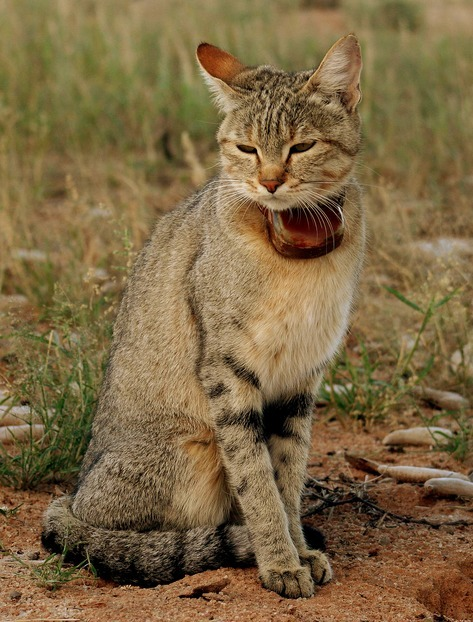
Figure 1. African wildcat (Felis silvestris lybica) in
Kgalagadi Transfrontier Park (South Africa/Botswana)
(Photo M. Herbst).
Hybridization between domestic and wild animals is a major concern for biodiversity conservation, and as habitats become increasingly fragmented, conserving biodiversity at all levels, including genetic, becomes increasingly important. Except for tropical forests and true deserts, African wildcats occur across the African continent; however, almost no work has been carried out to assess its genetic status and extent of hybridization with domestic cats. For example, in South Africa it has been argued that the long-term viability of maintaining pure wildcat populations lies in large protected areas only, isolated from human populations. Two of the largest protected areas in Africa, the Kgalagadi Transfrontier and Kruger National Parks, as well as the size of South Africa and range of landscape uses, provide a model situation to assess how habitat fragmentation and heterogeneity influences the genetic purity of African wildcats. Using population genetic and home range data, we examined the genetic purity of African wildcats and their suspected hybrids across South Africa, including areas within and outside of protected areas. Overall, we found African wildcat populations to be genetically relatively pure, but instances of hybridization and a significant relationship between the genetic distinctiveness (purity) of wildcats and human population pressure were evident.

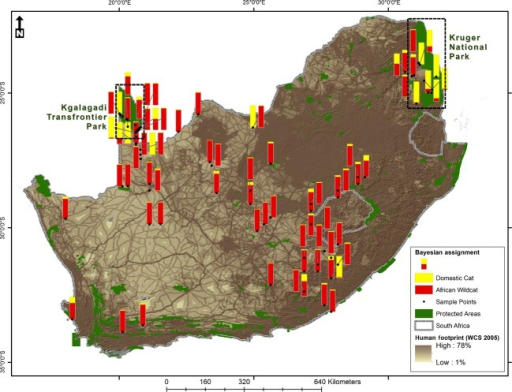
Figure 2. Distribution of collection sites of cats included in this study across
South Africa in relation to formal protected areas and human footprint pressure
The genetically purest African wildcats were found in the Kgalagadi Transfrontier Park, while samples from around Kruger National Park showed cause for concern, especially combined with the substantial human population density along the park's boundary. While African wildcat populations in South Africa generally appear to be genetically pure, with low levels of hybridization, our genetic data do suggest that protected areas may play an important role in maintaining genetic purity by reducing the likelihood of contact with domestic cats. We suggest that approaches such as corridors between protected areas are unlikely to remain effective for wildcat conservation, as the proximity to human settlements around these areas is projected to increase the wild/domestic animal interface. Thus, large, isolated protected areas will become increasingly important for wildcat conservation and efforts need to be made to prevent introduction of domestic cats into these areas.


 Read more on domestic wild feline hybridisation with domestic cat

Saturday, 20 September 2014

Genetic structure of the feral cat on a sub-Antarctic island

Pontier, D., Say, L., Devillard, S., & Bonhomme, F. (2005). Genetic structure of the feral cat (Felis catus L.) introduced 50 years ago to a sub-Antarctic island. Polar Biology, 28(4), 268-275.

Information about the invasion dynamics and demographic status of invasive species is essential to choose the optimal control options of population numbers. While long-term direct demographic and historical records are generally lacking, the analysis of the genetic variability of a current population might supply information about past and current demographic processes. In this study, we analysed the genetic variability of the cat population living on the main island of the Kerguelen archipelago. Genetic diversity was consistent with the introduction of a very small number of individuals followed by a demographic explosion of the cat population. Significant genetic structure among sites (Fst=0.06 ±0.005) and absence of isolation by distance could indicate that the initial phase of fast colonisation is now over. Estimates of individual relatedness indicated a significant kin structure. Overall data suggested that the cat population of the main island has probably reached carrying capacity.

Monday, 15 September 2014

Mitochondrial genomes suggest European origin of dogs

Thalmann, O., B. Shapiro, P. Cui, V. J. Schuenemann, S. K. Sawyer, D. L. Greenfield, M. B. Germonpré, M. V. Sablin, F. López-Giráldez, X. Domingo-Roura, H. Napierala, H-P. Uerpmann, D. M. Loponte, A. A. Acosta, L. Giemsch, R. W. Schmitz, B. Worthington, J. E. Buikstra, A. Druzhkova, A. S. Graphodatsky, N. D. Ovodov, N. Wahlberg, A. H. Freedman, R. M. Schweizer, K.-P. Koepfli, J. A. Leonard, M. Meyer, J. Krause, S. Pääbo, R. E. Green &R. K. Wayne. 2013. Complete Mitochondrial Genomes of Ancient Canids Suggest a European Origin of Domestic Dogs. Science 342 (6160): 871-874 DOI: 10.1126/science.1243650

The geographic and temporal origins of the domestic dog remain controversial, as genetic data suggest a domestication process in East Asia beginning 15,000 years ago, whereas the oldest doglike fossils are found in Europe and Siberia and date to >30,000 years ago. We analyzed the mitochondrial genomes of 18 prehistoric canids from Eurasia and the New World, along with a comprehensive panel of modern dogs and wolves. The mitochondrial genomes of all modern dogs are phylogenetically most closely related to either ancient or modern canids of Europe. Molecular dating suggests an onset of domestication there 18,800 to 32,100 years ago. These findings imply that domestic dogs are the culmination of a process that initiated with European hunter-gatherers and the canids with whom they interacted.

Friday, 8 August 2014

Capter 3: A voyage to Terra Australis

Koch, K., Algar, D., Searle, J., Pfenninger, M., & Schwenk, K. (2014). A voyage to Terra Australis: human-mediated dispersal of cats. Genetic diversity and phylogeography of Australian feral cats, 56.

Domestic and ship cats have been transported as human commensals around the world, especially in the last 200 years. They have given rise to populations of feral cats in many places. The feral population in Australia is believed to have led to the decline and extinction of native mammal species, but until now the time and origin of the cat introduction into Australia is unclear. Here we investigate the history of arrival of cats to Australia, considering the possibility that this was pre- or post-European settlement, and the potential for admixture. We analyse the genetic structure and diversity of feral cats from six locations on mainland Australia and seven offshore islands as well as samples from Malaysia and Europe using microsatellite and mitochondrial DNA data. Our data suggest that cats in Australia originated from Europe with possible isolated cases of invasions from Asian locations. We find low genetic differentiation between samples from Dirk Hartog Island, Flinders Island, Tasman Island and Cocos (Keeling) Island (Australian Indian Ocean Territory). Historical records suggest that introduction of cats to these islands occurred at the time of exploration and in connection with the pearling, whaling and sealing trades at the beginning of the 19th century. On-going influx of domestic cats into the feral cat population is causing the Australian mainland populations to be genetically differentiated from those on Dirk Hartog, Tasman and Flinders Islands, which exhibit remnants of the historically introduced cat genotypes.

Genetic diversity and phylogeography of Australian feral cats

Koch, K. 2014. Genetic diversity and phylogeography of Australian feral cats. Accepted Dissertation thesis for the partial fulfilment of the requirements for a Doctoral of Natural Sciences. Universität Koblenz-Landau

Biodiversity is not only threatened by habitat loss, climate change and pollution, but also by invasive species. The impact of introduced species is immense and causes substantial ecological and economical costs worldwide. With the start of domestications of the African wildcat (Felis lybica) in the Near East, the transport of house cats (Felis catus) around the world as a commensal and domesticate began. The general aim of my thesis was to investigate the impact of invasive feral cats on native species as well as underlying population genetic structures, diversity and phylogeography. This was studied in the context of the demographic history in Australia and Hawai’i. My studies confirmed that the main introductions of cats to Australia began in the 19th century via ships of European settlers, traders and workers. Similarly, I was able to confirm cat introductions to Hawai’i by European traders and explorers; which has to the present a devastating effect on Hawaiian endemic species. Likewise, cats are widespread across Australia, can be found on most islands and are recognized as one of the major threats to Australian native species. A selective feeding behaviour by invasive predators was found in one of my studies. This study additionally gives an indication for possible population recovery of small Western Australian vertebrate species after predator removal. Advancement and the combination of various management techniques allow, if adequately funded, a more efficient planning and implementation of eradication campaigns. Population genetic approaches are able to give insights into population genetic structure, diversity and kinship, thereby enabling management campaigns to be more cost effective and successful. No pattern of isolation by distance between populations of Hawai’i and Australia indicated that trade routes, such as the ‘Golden Round’ of the maritime fur trade, facilitated a link between far off global cat populations. Multiple introductions to Australia and intermixing with domestic breed cats resulted in feral cat populations which show no signs of reduced genetic variability. My studies also revealed the advantages of bioproxies in combination with phylogeography, which enable the inference and reconstruction of introduction routes, history and origin of invasive species. Genetic signals of historically introduced genotypes are still discernible on islands with low number of introductions over time and thereby low intermixing with domestic fancy breeds. Feral cats’ adaptability as an invader was reconfirmed and possible underlying genetic mechanisms enabling their success as a global invader (‘global supercat’) are discussed. Research into the feralisation process of cats will provide new information regarding the domestication of cats, the genetic basis of feralisation and allow additional insights into cats’ adaptive potential.

Saturday, 7 June 2014

Determining the antiquity of dog origin

Raisor, M. J. (2004). Determining the antiquity of dog origins: canine domestication as a model for the consilience between molecular genetics and archaeology (Doctoral dissertation, Texas A&M University).

Archaeologists have favored a date of 14,000-15,000 years before present (BP) for canine domestication. However, recent studies of mutations in the mitochondrial DNA sequence by molecular geneticists have implied that dogs were domesticated over 100,000 years ago, which has challenged traditional theory. Geneticists have further hypothesized that dogs originated from wolf ancestors based upon the number of substitutions observed in dog and wolf haplotypes. Although both disciplines provide substantial evidence for their theories, the origin of dog domestication remains controversial. Several areas continue to be debatable. First, both geneticists and archaeologists incorrectly use the term domestication to describe events that clearly can not be proven to under human control. Second, the evolutionary development of canines is viewed by molecular biologists as well as archaeologist to be indicators of domestication without any further exploration of other probable causes. Third, the studies in canine genetics are so complex that most archaeologists have difficulty in providing evidence that would be contradictory to molecular theory. Fourth, both fields of study continually ignore innate behavioral characteristics of wolves that would make domestication highly improbable. Fifth, geneticists rely heavily on data gathered from sequencing of mitochondrial DNA, which has been assumed to maternally inherited. However recent human studies have shown that this assumption has now been proven to be incorrect. And finally, not only are morphological traits of fossilized dogs and wolves so similar that making a taxonomic identification improbable, but also the amount of archaeological remains available are too sparse and fragmented for accurate affiliation. An alternate theory of canine domestication will be proposed utilizing data gathered from the archaeological record and molecular research. I hypothesize that dogs diverged naturally from wolves 100,000 years ago as a result of the natural course of evolution, not human intervention, and had already evolved into a dog prior to being domesticated by humans 14,000-15,000 years ago. Evidence will be presented to clearly show that this hypothesis is a more accurate scenario of canine domestication.

Thursday, 3 April 2014

Reducing feral cat threats to native wildlife in Hawai`i

Hess, S. C., H. Hansen, and P. C. Banko. 2007. Reducing feral cat threats to native wildlife in Hawai`i. Hawai`i Cooperative Studies Unit Technical Report HCSU-010. University of Hawai`i at Hilo. 102 pp., incl. 14 figures, & 19 tables.

We documented the diet of feral cats (Felis catus) on Kīlauea and Mauna Loa within Hawai`i Volcanoes National Park (HAVO), determined the incidence of three feline diseases on Mauna Kea, studied feral cat home range, developed and tested trap-signaling devices, tested food-based baits and attractants, analyzed feral cat population dynamics using genetic techniques, and developed an adaptive strategy for reducing predation on endangered Hawaiian birds.

We documented the diet of feral cats by analyzing the contents of 42 digestive tracts from Kīlauea and Mauna Loa in Hawai`i Volcanoes National Park. Small mammals, invertebrates, and birds were the most common prey types consumed by feral cats. Birds occurred in 27.8–29.2% of digestive tracts. The total number of bird, small mammal, and invertebrate prey differed between Kīlauea and Mauna Loa. On Mauna Loa, significantly more (89%) feral cats consumed small mammals, primarily rodents, than on Kīlauea Volcano (50%). Mice (Mus musculus) were the major component of the feral cat diet on Mauna Loa, whereas Orthoptera were the major component of the diet on Kīlauea. We recovered a mandible set, feathers, and bones of an endangered Hawaiian Petrel (Pterodroma sandwichensis) from a digestive tract from Mauna Loa. This specimen represents the first well-documented endangered seabird to be recovered from the digestive tract of a feral cat in Hawai`i and suggests that feral cats prey on this species.

We determined prevalence to feline immunodeficiency virus (FIV) antibodies, feline leukemia virus (FeLV) antigen, and Toxoplasma gondii antibodies in feral cats on Mauna Kea Hawai`i from April 2002 to May 2004. Six of 68 (8.8%) and 11/68 (16.2%) were antibody positive to FIV and antigen positive for FeLV, respectively; 25/67 (37.3%) were seropositive to T. gondii. Antibodies to FeLV and T. gondii occurred in all age and sex classes, but FIV occurred only in adult males. Evidence of previous or current infections with two of these infectious agents was detected in eight of 64 cats (12.5%). Despite exposure to these infectious agents, feral cats remain abundant throughout the Hawaiian Islands.

Feral cats in dry subalpine woodland of Mauna Kea, Hawai`i, live in low density and exhibit some of the largest reported home ranges in the literature. While 95% fixed kernel home range estimates for three females averaged 772 ha, four males averaged 1,418 ha, and one male maintained a home range of 2,050 ha. Mean daily movement rates between sexes overlapped widely and did not differ significantly (P = 0.083). Log-transformed 95% kernel home ranges for males were significantly larger than those of females (P = 0.024), but 25% kernel home ranges for females were larger than those of males (P = 0.017). Moreover, logtransformed home ranges of males were also significantly larger than those of females in this and seven other studies from the Pacific region (P = 0.044). Feral cats present a major threat to endangered Hawaiian birds, but knowledge of their ecology can be used for management by optimizing trap spacing and creating buffer zones around conservation areas.

Frequent checks of live traps require enormous amounts of labor and add human scents associated with repeated monitoring which may reduce capture efficiency. To reduce efforts and increase efficiency, we developed a trap-signaling device with long-distance reception, durability in adverse weather, and ease of transport, deployment, and use. Modifications from previous designs include a normally-open magnetic switch and a mounting configuration to maximize reception. The system weighed < 225 g, was effective ≤ 17.1 km, and failed in < 1% of trap-nights. Employing this system, researchers and wildlife managers may reduce the amount of effort checking traps while improving the welfare of trapped animals.

Successful feral cat control programs require effective baits and lures. Non-targets may interfere with trapping efforts by rapidly consuming bait before feral cats encounter traps, necessitating frequent bait replacement. We compared the effectiveness of baits and lures by analyzing capture rates of feral cats and non-targets and monitoring animal visits to bait stations with remotely-triggered cameras. We tested four different baits and attractants: canned cat food, sardines, catnip, and a bait sausage that we formulated from pork and fat. We trapped for a total of 3,389 trap nights and captured 35 feral cats. There were 323 incidences of trap interferences, reducing the effective trap nights (ETN) to 3,225. The primary cause of trap interference was feral pigs rolling over traps (n = 185, 57.3% of interferences). The primary non-target species captured were small Indian mongooses (n = 74, 22.9% of interferences). Overall, more cats and mongooses were captured using sardines, although the catch frequencies were not dependent on the bait type used. We obtained photographs of 1,476 small mammals at the bait stations. Mongooses were the principal mammals photographed (n = 939, 69.5% of pictures). We also obtained 398 photographs of rats (29.5%) and 9 (0.7%) of mice. Feral cats were photographed only 5 (0.4%) times. We found strong differences between mongooses, rodents, and cats photographed at the four bait types. Sardines were the most visited bait type (n = 641, 47.4% of photographs). Pork sausage and cat food accounted for 383 (28.3%) and 322 (23.8%) visits while catnip had only 67 (5.0%) visits. Feral cats were photographed only at sardine bait. Mongooses were attracted primarily to  sardines (49.3%). Pork sausage was the most attractive bait to rats, accounting for 44.5% of photographs. Due to the high rate of non-target interference, other attractants need to be tested for successful feral cat control programs.

Population genetics can provide information about the demographics and dynamics of invasive species that is beneficial for developing effective control strategies. We studied the population genetics of feral cats on Hawai`i Island by microsatellite analysis to evaluate genetic diversity and population structure, assess gene flow and connectivity among three populations, identify potential source populations, characterize population dynamics, and evaluate sex-biased dispersal. High genetic diversity, low structure, and high number of migrants per generation supported high gene flow that was not limited spatially. Migration rates revealed that most migration occurred out of West Mauna Kea. Effective population size estimates indicated increasing cat populations despite control efforts. Despite high gene flow, relatedness estimates declined significantly with increased geographic distance and Bayesian assignment tests revealed the presence of three population clusters. Genetic structure and relatedness estimates indicated male-biased dispersal. Mauna Kea may be a source population that can be targeted for control. However, recolonization seems likely given the great dispersal ability that may not be inhibited by barriers such as lava flows. Genetic monitoring will be necessary to assess the effectiveness of future control efforts.

Despite the long history of feral cats in Hawai`i, there has been little research to provide strategies to improve control programs and reduce depredation on endangered species. Our objective was to develop a predictive model to determine how landscape features on Mauna Kea such as habitat, elevation, and proximity to roads affect the number of feral cats captured at each trap. We used log-link generalized linear models and QAICc model ranking criteria to determine the effect of these factors. We found that the number of cats captured per trap was related to trapping effort, habitat type, and whether traps were located on the West or North Slope of Mauna Kea. We recommend an adaptive management strategy to minimize trapping interference by non-target small Indian mongoose (Herpestes auropunctatus) with toxicants, to focus trapping efforts in māmane (Sophora chrysophylla) habitat on the West slope of Mauna Kea, and to cluster traps near others that have previously captured multiple cats.

Saturday, 1 March 2014

Genetics of a dockyard cat population

Dards, J. L., & Robinson, R. (1983). Gene frequencies in a population of feral cats in Portsmouth naval Dockyard. Theoretical and Applied Genetics, 64(3), 197-204.

The free-living or feral cats of Portsmouth Dockyard were examined for the frequency of six mutant colour and coat genes. With the exception of one mutant, they were found to differ from the values to be expected for Southern England cat populations. The differences observed may have resulted from selection in the isolated environment (to produce a unique gene profile in terms of frequencies) or from a founder effect. If the latter, the observed frequencies could represent a relict population reflecting the frequencies of the town of Portsmouth before the dockyard was totally enclosed by a high wall. Some evidence of selection related to coat colour was found.
Related Posts Plugin for WordPress, Blogger...