Les hommes ont oublié cette vérité. Mais tu ne dois pas l'oublier, dit le renard. Tu deviens responsable pour toujours de ce que tu as apprivoisé.
Le Petit Prince, chap. 21
Showing posts with label gene introgression. Show all posts

Friday, 19 May 2017

New insights into the genetic composition and phylogenetic relationship of wolves and dogs in the Iberian Peninsula

Pires, A. E., Amorim, I. R., Borges, C., Simões, F., Teixeira, T., Quaresma, A., ... & Matos, J. (2017). New insights into the genetic composition and phylogenetic relationship of wolves and dogs in the Iberian Peninsula. Ecology and Evolution.

This study investigates the gene pool of Portuguese autochthonous dog breeds and their wild counterpart, the Iberian wolf subspecies (Canis lupus signatus), using standard molecular markers. A combination of paternal and maternal molecular markers was used to investigate the genetic composition, genetic differentiation and genetic relationship of native Portuguese dogs and the Iberian wolf. A total of 196 unrelated dogs, including breed and village dogs from Portugal, and other dogs from Spain and North Africa, and 56 Iberian wolves (wild and captive) were analyzed for nuclear markers, namely Y chromosome SNPs, Y chromosome STR loci, autosomal STR loci, and a mitochondrial fragment of the control region I. Our data reveal new variants for the molecular markers and confirm significant genetic differentiation between Iberian wolf and native domestic dogs from Portugal. Based on our sampling, no signs of recent introgression between the two subspecies were detected. Y chromosome data do not reveal genetic differentiation among the analyzed dog breeds, suggesting they share the same patrilineal origin. Moreover, the genetic distinctiveness of the Iberian wolf from other wolf populations is further confirmed with the description of new mtDNA variants for this endemism. Our research also discloses new molecular markers for wolf and dog subspecies assignment, which might become particularly relevant in the case of forensic or noninvasive genetic studies. The Iberian wolf represents a relic of the once widespread wolf population in Europe and our study reveals that it is a reservoir of unique genetic diversity of the grey wolf, Canis lupus. These results stress the need for conservation plans that will guarantee the sustainability of this threatened top predator in Iberia.

Sunday, 17 January 2016

Conflict of wildcat conservation in Scotland

Fredriksen, A. (2015). Of wildcats and wild cats: Troubling species-based conservation in the Anthropocene. Environment and Planning D: Society and Space, 0263775815623539.

This article takes the case of Scottish wildcats, threatened with extinction through hybridisation with feral domestic cats, as a site for exploring what it means to conserve a species as such. To this end, the article looks at the practices associated with conserving Scottish wildcats as defined by a definite phenotypical, morphological and/or genetic type, abstracted from indefinite, fleshy organisms emplaced and entangled within changing ecologies. The article describes the biopolitical work of taxonomically distinguishing wildcats (Felis silvestris) from domestic cats (Felis catus) and their hybrids, exploring the challenges presented to this work by the disorderly agencies of wild-living cats. It then outlines and reflects on the proposed captive breeding programme aimed at preserving the ‘pure’ Scottish wildcat sub-species type. This case highlights the ways in which species-based conservation can conflict with care for individual animals as well as with life’s immanent, generative tendencies.

See more on domestic wild feline hybridisation with domestic cat

Monday, 28 December 2015

First evidence of hybridization between golden jackal and domestic dog

Galov, A., Fabbri, E., Caniglia, R., Arbanasić, H., Lapalombella, S., Florijančić, T., ... & Randi, E. (2015). First evidence of hybridization between golden jackal (Canis aureus) and domestic dog (Canis familiaris) as revealed by genetic markers. Royal Society Open Science, 2(12), 150450.
Male golden jackal–dog hybrid (60c) with black coat coloration (a)
and ears with rounded tip (b) (dog characteristics),
and forelimbs with partially joined digital pads of the
middle fingers (golden jackal characteristics) (c).

Interspecific hybridization is relatively frequent in nature and numerous cases of hybridization between wild canids and domestic dogs have been recorded. However, hybrids between golden jackals (Canis aureus) and other canids have not been described before. In this study, we combined the use of biparental (15 autosomal microsatellites and three major histocompatibility complex (MHC) loci) and uniparental (mtDNA control region and a Y-linked Zfy intron) genetic markers to assess the admixed origin of three wild-living canids showing anomalous phenotypic traits. Results indicated that these canids were hybrids between golden jackals and domestic dogs. One of them was a backcross to jackal and another one was a backcross to dog, confirming that golden jackal–domestic dog hybrids are fertile. The uniparental markers showed that the direction of hybridization, namely females of the wild species hybridizing with male domestic dogs, was common to most cases of canid hybridization. A melanistic 3bp-deletion at the K locus (β-defensin CDB103 gene), that was absent in reference golden jackal samples, but was found in a backcross to jackal with anomalous black coat, suggested its introgression from dogs via hybridization. Moreover, we demonstrated that MHC sequences, although rarely used as markers of hybridization, can be also suitable for the identification of hybrids, as long as haplotypes are exclusive for the parental species.


See more about wild canid hybridisation with dogs

Thursday, 1 January 2015

Genetic analysis on hybridization between domestic cats and African wildcats

Le Roux, J. J., Foxcroft, L. C., Herbst, M., & MacFadyen, S. (2014). Genetic analysis shows low levels of hybridization between African wildcats (Felis silvestris lybica) and domestic cats (F. s. catus) in South Africa. Ecology and Evolution.

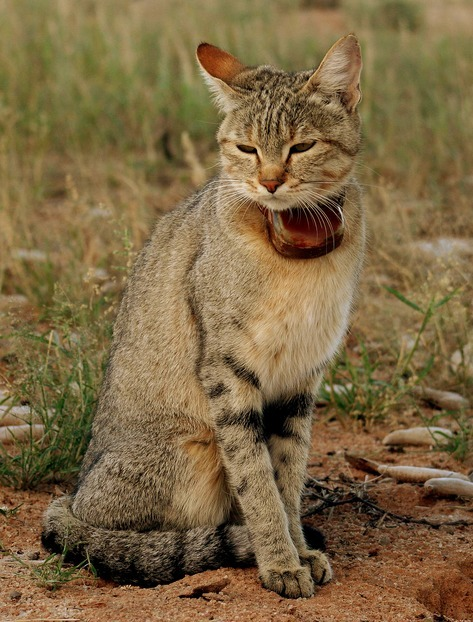
Figure 1. African wildcat (Felis silvestris lybica) in
Kgalagadi Transfrontier Park (South Africa/Botswana)
(Photo M. Herbst).
Hybridization between domestic and wild animals is a major concern for biodiversity conservation, and as habitats become increasingly fragmented, conserving biodiversity at all levels, including genetic, becomes increasingly important. Except for tropical forests and true deserts, African wildcats occur across the African continent; however, almost no work has been carried out to assess its genetic status and extent of hybridization with domestic cats. For example, in South Africa it has been argued that the long-term viability of maintaining pure wildcat populations lies in large protected areas only, isolated from human populations. Two of the largest protected areas in Africa, the Kgalagadi Transfrontier and Kruger National Parks, as well as the size of South Africa and range of landscape uses, provide a model situation to assess how habitat fragmentation and heterogeneity influences the genetic purity of African wildcats. Using population genetic and home range data, we examined the genetic purity of African wildcats and their suspected hybrids across South Africa, including areas within and outside of protected areas. Overall, we found African wildcat populations to be genetically relatively pure, but instances of hybridization and a significant relationship between the genetic distinctiveness (purity) of wildcats and human population pressure were evident.

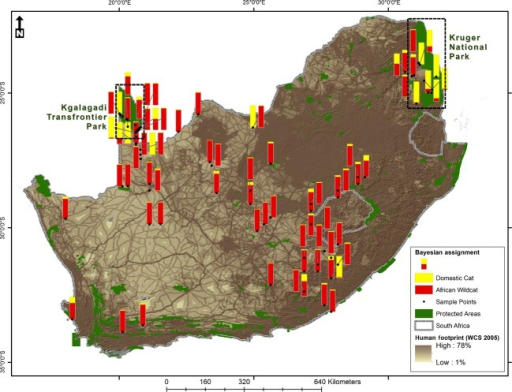
Figure 2. Distribution of collection sites of cats included in this study across
South Africa in relation to formal protected areas and human footprint pressure
The genetically purest African wildcats were found in the Kgalagadi Transfrontier Park, while samples from around Kruger National Park showed cause for concern, especially combined with the substantial human population density along the park's boundary. While African wildcat populations in South Africa generally appear to be genetically pure, with low levels of hybridization, our genetic data do suggest that protected areas may play an important role in maintaining genetic purity by reducing the likelihood of contact with domestic cats. We suggest that approaches such as corridors between protected areas are unlikely to remain effective for wildcat conservation, as the proximity to human settlements around these areas is projected to increase the wild/domestic animal interface. Thus, large, isolated protected areas will become increasingly important for wildcat conservation and efforts need to be made to prevent introduction of domestic cats into these areas.


 Read more on domestic wild feline hybridisation with domestic cat

Saturday, 24 May 2014

Low gene flow between wolves and dogs in Iran

Aghbolaghi, M. A., Rezaei, H. R., Scandura, M., & Kaboli, M. (2014). Low gene flow between Iranian Grey Wolves (Canis lupus) and dogs documented using uniparental genetic markers. Zoology in the Middle East, 60(2), 95-106.
Wolves have the ability to live in different habitats. However, in recent years, in many areas wolf populations have drastically declined and some of them have disappeared. A major concern in the management of wolf populations is the hybridization between wolves and dogs. In some regions, in order to generate strong breeds of guard dogs, wolves and dogs are intentionally hybridized. In this study, gene flow between wolves and dogs in Iran was examined, using a combination of uniparental markers: the mitochondrial DNA control region and four Y chromosome microsatellites. The species of origin of each haplotype was attributed by phylogenetic analyses. A very limited number of haplotypes was shared, suggesting limited gene flow between wolves and dogs in Iran. However, possible factors promoting hybridization are still present in the country and should not be neglected in the future management of the wild species.

See more about wild canid hybridisation with dogs

Sunday, 6 April 2014

Black wolves in Italy


The occurrence of black-coated individuals in wolf Canis lupus Linnaeus, 1758 populations is not surprising itself, but their presence in populations recovering from a severe numerical decline has been considered a possible sign of crossbreeding with the domestic dog. In the northern Apennines (Italy), black wolves occur at a non-negligible frequency. In a 3300 km2 area, 22% of wolves observed and 23% of all dead wolves found were represented by animals with a completely black coat. One ‘black’ wolf belonging to the studied population was analysed by a set of microsatellite loci, and no trace of hybridization was found in its ancestry. This result induced us to consider the occurrence of a black phenotype in this area possibly derived from a natural combination of wolf alleles in coat colour determining genes, and not necessarily as the result of crossbreeding with the domestic form.


Read more about canine hybidisation and gene introgression

Introgressive hybridization between dogs and wolves in Italy

Verardi, A., Lucchini, V., & Randi, E. (2006). Detecting introgressive hybridization between free‐ranging domestic dogs and wild wolves (Canis lupus) by admixture linkage disequilibrium analysis. Molecular Ecology, 15(10), 2845-2855.

Occasional crossbreeding between free-ranging domestic dogs and wild wolves (Canis lupus) has been detected in some European countries by mitochondrial DNA sequencing and genotyping unlinked microsatellite loci. Maternal and unlinked genomic markers, however, might underestimate the extent of introgressive hybridization, and their impacts on the preservation of wild wolf gene pools. In this study, we genotyped 220 presumed Italian wolves, 85 dogs and 7 known hybrids at 16 microsatellites belonging to four different linkage groups (plus four unlinked microsatellites). Population clustering and individual assignments were performed using a Bayesian procedure implemented in structure 2.1, which models the gametic disequilibrium arising between linked loci during admixtures, aiming to trace hybridization events further back in time and infer the population of origin of chromosomal blocks. Results indicate that (i) linkage disequilibrium was higher in wolves than in dogs; (ii) 11 out of 220 wolves (5.0%) were likely admixed, a proportion that is significantly higher than one admixed genotype in 107 wolves found previously in a study using unlinked markers; (iii) posterior maximum-likelihood estimates of the recombination parameter r revealed that introgression in Italian wolves is not recent, but could have continued for the last 70 (± 20) generations, corresponding to approximately 140–210 years. Bayesian clustering showed that, despite some admixture, wolf and dog gene pools remain sharply distinct (the average proportions of membership to wolf and dog clusters were Qw = 0.95 andQd = 0.98, respectively), suggesting that hybridization was not frequent, and that introgression in nature is counteracted by behavioural or selective constraints.


Read more about canine hybidisation and gene introgression

Monday, 17 March 2014

Gene flow between wolf and dog in the Caucasus

Kopaliani, N., Shakarashvili, M., Gurielidze, Z., Qurkhuli, T., & Tarkhnishvili, D. (2014). Gene Flow Between Wolf and Shepherd Dog Populations in Georgia (Caucasus). Journal of Heredity, esu014.

We studied the distribution of the mitochondrial DNA haplotypes and microsatellite genotypes at 8 loci in 102 gray wolves, 57 livestock guarding dogs, and 9 mongrel dogs from Georgia (Caucasus). Most of the studied dogs had mitochondrial haplotypes clustered with presumably East Asian dog lineages, and most of the studied wolves had the haplotypes clustered with European wolves, but 20% of wolves and 37% of dogs shared the same mitochondrial haplotypes. Bayesian inference with STRUCTURE software suggested that more than 13% of the studied wolves had detectable dog ancestry and more than 10% of the dogs had detectable wolf ancestry. About 2–3% of the sampled wolves and dogs were identified, with a high probability, as first-generation hybrids. These results were supported by the relatedness analysis, which showed that 10% of wolves and 20% of dogs had closest relatives from an opposite group. The results of the study suggest that wolf–dog hybridization is a common event in the areas where large livestock guarding dogs are held in a traditional way, and that gene flow between dogs and gray wolves was an important force influencing gene pool of dogs for millennia since early domestication events. This process may have been terminated 1) in areas outside the natural range of gray wolves and 2) since very recent time, when humans started to more tightly control contacts of purebred dogs.

Sunday, 16 March 2014

Can we identify cat hybrids throught coat traits?

Ballesteros-Duperón, E., Virgós, E., Moleón, M., Barea-Azcón, J. M., & Gil-Sánchez, J. M.2014.  How accurate are coat traits for discriminating wild and hybrid forms of Felis silvestris?. Mammalia

Hybridisation between domestic cats, Felis catus, and wildcats, Felis silvestris, could lead to the genetic extinction of the latter; therefore, checking hybridisation rates in wild populations is of vital conservation importance. However, detecting hybridisation in the field is particularly challenging. Here, we aim to test the success of morphological-based procedures for discriminating wildcats from their hybrids and domestic cats, against genetic methods. We checked 17 putative Spanish wildcats by using two different classification systems based on coat patterns. None of the putative wildcats analysed in this study seemed to have an admixed genotype. Concordance between genetic and pelage approaches was almost total: only one coat classification produced mixed results with detection of one potential hybrid. Assignment was worse when performed in the field after a rapid examination of coat characters. We conclude that classification systems using coat traits could serve as surrogates of genetic approaches, but only after careful examination of those characters with more discriminatory power. Thus, the control of hybrid populations in the field as a management tool to preserve the genetic identity of wild forms is problematic if based on crude approaches or incomplete classification systems.


Distinctive traits of Wild cat (after Wildcat project)

See more on domestic cat introgression in wildcat


Saturday, 22 February 2014

Complex interactions between wolves and dogs


Lescureux, N., & Linnell, J. D. (2014). Warring brothers: The complex interactions between wolves (Canis lupus) and dogs (Canis familiaris) in a conservation context. Biological Conservation, 171, 232-245.

Although both wolves and dogs have been the subjects of numerous studies in many disciplines, the complex relationships between them have not yet been synthesized within a common review, and neither has it been placed in a holistic conservation context. Information and data are spread across numerous publications from different disciplines that rarely interact. Dogs have become the most common carnivore and their population is still increasing. In a context of wolf recovery in multi-use landscapes, there is a growing concern among conservationists for the potential negative impact of dogs on wolf conservation. With this paper we aim to review the numerous and complex interactions existing between wolves and dogs, using literature from disciplines as diverse as history, archeology, anthropology, genetics, ecology, and epidemiology in order to better understand the wolf–dog relationship and its potential impact on wolf conservation. Starting with their phylogenetic relationship and following a summary of the current knowledge on the dog’s ancestry we explore how dogs can represent a direct threat for wolves through hybridization, disease transfer and competition. The review highlights a number of ways in which dogs can impact wolf conservation, although a general lack of data and conclusive studies is a common theme that emerges for many topics. Then we analyse how dogs can mitigate human–wolf conflicts through their role as livestock guardians or wolf hunters. Finally we describe the complex phenomenon of wolf predation on dogs before discussing the wolf–dog relationships in general, with a special focus on including a more anthropological perspective. The review highlights the diversity of interactions between wolves and dogs, that can be both negative and positive for wolf conservation. However, more important than these direct impacts, the review highlights how the wolf–dog relationship challenges human attempts to construct simple dichotomies between wild and domestic, or between nature and culture. The borders between these concepts are in fact much more fluid and elusive than is often appreciated, and wolf conservation must adapt to this more complex reality.


See more on hybridization between dogs and wild canids 

Monday, 27 January 2014

Early introgression of dog genes during re-expansion of wolf in Italy

Randi, E., Hulva, P., Fabbri, E., Galaverni, M., Galov, A., Kusak, J., Bigi, D., Černá Bolfíková, B., Smetanová, M. & Caniglia, R. (2014). Multilocus Detection of Wolf x Dog Hybridization in Italy, and Guidelines for Marker Selection. PLOS ONE, 9(1), e86409.

Hybridization and introgression can impact the evolution of natural populations. Several wild canid species hybridize in nature, sometimes originating new taxa. However, hybridization with free-ranging dogs is threatening the genetic integrity of grey wolf populations (Canis lupus), or even the survival of endangered species (e.g., the Ethiopian wolf C. simensis). Efficient molecular tools to assess hybridization rates are essential in wolf conservation strategies. We evaluated the power of biparental and uniparental markers (39 autosomal and 4 Y-linked microsatellites, a melanistic deletion at the β-defensin CBD103 gene, the hypervariable domain of the mtDNA control-region) to identify the multilocus admixture patterns in wolf x dog hybrids. We used empirical data from 2 hybrid groups with different histories: 30 presumptive natural hybrids from Italy and 73 Czechoslovakian wolfdogs of known hybrid origin, as well as simulated data. We assessed the efficiency of various marker combinations and reference samples in admixture analyses using 69 dogs of different breeds and 99 wolves from Italy, Balkans and Carpathian Mountains. Results confirmed the occurrence of hybrids in Italy, some of them showing anomalous phenotypic traits and exogenous mtDNA or Y-chromosome introgression. Hybridization was mostly attributable to village dogs and not strictly patrilineal. The melanistic β-defensin deletion was found only in Italian dogs and in putative hybrids. The 24 most divergent microsatellites (largest wolf-dog FST values) were equally or more informative than the entire panel of 39 loci. A smaller panel of 12 microsatellites increased risks to identify false admixed individuals. The frequency of F1 and F2 was lower than backcrosses or introgressed individuals, suggesting hybridization already occurred some generations in the past, during early phases of wolf expansion from their historical core areas. Empirical and simulated data indicated the identification of the past generation backcrosses is always uncertain, and a larger number of ancestry-informative markers is needed.


Read more about canine hybidisation and gene introgression

Monday, 13 January 2014

Interbreeding of feral and wild cats in Britain

Hubbard, A.L., S. McOrist, T.W. Jones, R. Boid, R. Scott & N. Easterbee. 1992. Is survival of European wildcats Felis silvestris in Britain threatened by interbreeding with domestic cats? Biological Conservation, 61: 203-208.

The relationship of the domestic cat Felis catus in Britain to the European wildcat Felis silvestris remaining in northern Britain includes a significant overlap of the phenotypic features of introgressive hybrids. The status of wildcats as a separate endangered species requiring protection to remain viable in the wild required analysis of their genetic relationship to domestic cats. Despite the discovery of free-living cats with both phenotypic resemblance to F. silvestris and close genetic similarities to F. catus, as measured by nucleic acid probe analysis, albumin heterogeneity (immunological distance) and isoenzyme analysis, eight of 42 putative wildcats caught in remote areas of northern and western Scotland showed clear differences from F. catus in the genetic analyses used. These eight wildcats had pelages consistent with the wildcat; however, 15 of the remaining cats had pelages containing domestic cat characters and had either one or no wildcat genetic character. The results suggest that some genetically distinct European wildcats remain in Britain, and the efforts to prevent interbreeding with domestic cats may enhance their conservation.

See more on domestic cat introgression in wildcat


Wednesday, 8 January 2014

Wild or feral cats in NE France

O’Brien, J., Devillard, S., Say, L., Vanthomme, H., Léger, F., Ruette, S., Pontier, D., 2009. Preserving genetic integrity in a hybridising world: are European Wildcats (Felis silvestris silvestris) in eastern France distinct from sympatric feral domestic cats? Biodiversity Conservation, 18, 2351–2360.

We investigate the genetic profile of putative European Wildcats in north-eastern France, possessing the wildcat phenotype, but sampled in an area where they are sympatric with free-roaming domestic cats and, thus, are exposed to potential hybridisation. From a sample of 209 cats, the programme STRUCTURE clearly identified two distinct genetic clusters that corresponded to European Wildcats and domestic cats. The cats from these two clusters were clearly differentiated from each other (F ST = 0.16). However, the genotypes of some individual cats were split between the two clusters, indicative of genetic admixture. Our analysis demonstrates that a genetically distinct population of cats that possess the European Wildcat phenotype persists in north-eastern France, but that there is a low, yet real, risk of hybridisation with sympatric domestic cats. These European Wildcats warrant conservation efforts to protect their genetic integrity.

See more on domestic cat introgression in wildcat


Cat hybridization in Germany

Krüger, M., Hertwig, S. T., Jetschke, G., & Fischer, M. S. (2009). Evaluation of anatomical characters and the question of hybridization with domestic cats in the wildcat population of Thuringia, Germany. Journal of Zoological Systematics and Evolutionary Research, 47(3), 268-282.

Germany’s large population of wildcats (Felis silvestris silvestris) can be clearly distinguished from domestic cats on the basis of morphological characters. However, an examination of 71 specimens from Thuringia also illustrates the risks involved in using only a few such characters. The most reliable tool for identification in the field are three pelage characters (distinctness of tail bands, stripes on the nape and stripes on the shoulder). Only two morphological characters (intestine length and cranial volume) are unambiguous and demonstrate no overlap in distribution between domestic cats and wildcats. A linear discriminant analysis with forward selection of variables showed that only five skull variables are necessary to distinguish all four groups (subspecies × sex). Additionally, the high degree of correlation between most of the 49 variables examined (as indicated by Pearson’s r correlation matrix) speaks against the utility of measuring such high numbers of characters in the future. Principal component analysis (PCA) enabled the subspecies to be separated clearly. The first PCA axis was highly correlated with variables characterizing overall body size, thus separating male and female into wildcats and domestic cats. Even when the chief differentiating characters are missing, the PCA still resulted in a good separation of subspecies. None of the genetically determined hybrids could have been deciphered unambiguously using the morphological characters still intact after a road death. Hybridization seems to occur whenever wildcats change their ecological function and become field cats. The impulse to hybridize seems to come much more from the wildcat side than the side of feral cats, and deforestation represents the major threat to the wildcat.


Hertwig, S. T., Schweizer, M., Stepanow, S., Jungnickel, A., Böhle, U. R., & Fischer, M. S. (2009). Regionally high rates of hybridization and introgression in German wildcat populations (Felis silvestris, Carnivora, Felidae). Journal of Zoological Systematics and Evolutionary Research, 47(3), 283-297.

While the western populations of the wildcat (Felis silvestris silvestris) in Germany come into contact with wildcats in France and Switzerland, the eastern distribution area is geographically completely isolated and consists of scattered subpopulations. To investigate population structure, evolutionary relationships and degree of hybridization with domestic cats we analysed the mitochondrial control region of 86 cats in combination with 11 microsatellite loci of 149 cats. According to our microsatellite data, German wildcats are divided into two separate populations corresponding to the western and eastern distribution areas. We found no indication of a further subdivision of the eastern population. German wildcat populations are genetically distinct from domestic cats in the main, but we identified 18.4% of the whole wildcat sample as being of hybrid origin, corresponding to 4.2% of the eastern and 42.9% of the western wildcat population, and 2.7% of the domestic cat sample. The mitochondrial haplotypes form a network of three connected clusters and reveal a high level of genetic diversity, especially within the eastern population. Our findings are explained at best in terms of continuous introgression between domestic cats and wildcat populations and differing degrees of recent hybridization in the various populations. Future conservation efforts should focus on preserving the existing gene flow between the isolated distribution areas, but also on preventing the spread of hybrids and limiting the habitat alterations that lead to increased contact with domestic cats. In conclusion we discuss possible evolutionary reasons for the still traceable genetic integrity of the wildcat despite its long history of interbreeding.


See more on domestic cat introgression in wildcat


Wednesday, 25 December 2013

Tuesday, 5 November 2013

Wolf's bottleneck and dog gene introgression in Bulgaria

Moura, A. E., Tsingarska, E., Dąbrowski, M. J., Czarnomska, S. D., Jędrzejewska, B., & Pilot, M. (2013). Unregulated hunting and genetic recovery from a severe population decline: the cautionary case of Bulgarian wolves.Conservation Genetics, 1-13. DOI 10.1007/s10592-013-0547-y

European wolf (Canis lupus) populations have suffered extensive decline and range contraction due to anthropogenic culling. In Bulgaria, although wolves are still recovering from a severe demographic bottleneck in the 1970s, hunting is allowed with few constraints. A recent increase in hunting pressure has raised concerns regarding long-term viability. We thus carried out a comprehensive conservation genetic analysis using microsatellite and mtDNA markers. Our results showed high heterozygosity levels (0.654, SE 0.031) and weak genetic bottleneck signals, suggesting good recovery since the 1970s decline. However, we found high levels of inbreeding (F IS = 0.113, SE 0.019) and a N e/N ratio lower than expected for an undisturbed wolf population (0.11, 95 % CI 0.08–0.29). We also found evidence for hybridisation and introgression from feral dogs (C. familiaris) in 10 out of 92 wolves (9.8 %). Our results also suggest admixture between wolves and local populations of golden jackals (C. aureus), but less extensive as compared with the admixture with dogs. We detected local population structure that may be explained by fragmentation patterns during the 1970s decline and differences in local ecological characteristics, with more extensive sampling needed to assess further population substructure. We conclude that high levels of inbreeding and hybridisation with other canid species, which likely result from unregulated hunting, may compromise long-term viability of this population despite its current high genetic diversity. The existence of population subdivision warrants an assessment of whether separate management units are needed for different subpopulations. Our study highlights conservation threats for populations with growing numbers but subject to unregulated hunting

Friday, 1 November 2013

Habitat sharing of wildcat, domestic cat and hybrids

Germain, E., Benhamou, S., & Poulle, M. L. (2008). Spatio‐temporal sharing between the European wildcat, the domestic cat and their hybrids. Journal of Zoology, 276(2), 195-203.

The European wildcat Felis silvestris silvestris, which can hybridize with the domestic cat Felis catus to produce fertile hybrids, is threatened by hybridization. To identify the behavioural processes that can affect interbreeding, we investigated the spatio-temporal sharing between wildcats, domestic cats and their hybrids (defined on their genotypes) in a rural area of north-eastern France where hybridization is frequent. Wildcats' and hybrids' home ranges were larger than those of domestic cats, and they did not vary according to body mass, season and reproductive period. The three types of cats had similar daily activity rhythms but the concordance between their space use patterns was low or null. Thus, a high spatio-temporal concordance is not a prerequisite for hybridization. Rare excursions made by the cats outside of their home ranges may be at the origin of interbreeding. Moreover, hybrids may play a key role in hybridization by behaving as wildcats and by sharing at least a part of their range with them as well as with domestic cats. Behavioural barriers between them and wildcats may not exist because of their similarity in morphology and spatial behaviour.


See more on domestic cat introgression in wildcat

Wednesday, 2 October 2013

Canis hybrids in Oklahoma

Freeman, R. C., & Shaw, J. H. (1979). Hybridization in Canis (Canidae) in Oklahoma. The Southwestern Naturalist, 24 (3) 485-499.

Fifteen cranial and dental measurements were taken from 138 wild Canis collected during 1975-76 and from 114 specimens collected from 1953-70. These were compared to known target populations of coyotes, red wolves, gray wolves, dogs, and coyote x dog hybrids by discriminant function and canonical variable analyses and were, along with weight and pelage color, used to assign each specimen. Measurements of current (1975-76) specimens were compared with those of older (1953-70) samples to test for temporal changes. Most current Oklahoma specimens were coyote-like, with 82.9 percent of the males and 78.6 percent of the females classified as coyotes. Evidence of coyote x dog hybridization was found in 14.6 and 10.7 percent of the males and females, respectively. Red wolf x coyote ancestry was evident in 2.4 percent of the males and 10.7 percent of the females. Temporal comparisons indicated consistent levels of hybridization except in southeastern Oklahoma, where red wolf influence is declining.

See more about wild canid hybridisation with dogs

Sunday, 15 September 2013

Domestic cat introgression in wildcat in Iberia


Oliveira, R., Godinho, R., Randi, E., Ferrand, N., & Alves, P. C. (2008). Molecular analysis of hybridisation between wild and domestic cats (Felis silvestris) in Portugal: implications for conservation. Conservation Genetics9(1): 1-11.

The endangered European wildcat (Felis silvestris silvestris) is represented, today, by fragmented and declining populations whose genetic integrity is considered to be seriously threatened by crossbreeding with widespread free-ranging domestic cats. Extensive and recent hybridisation has been described in Hungary and Scotland, in contrast with rare introgression of domestic alleles in Italy and Germany. In Portugal, the wildcat is now listed as VULNERABLE in the Red Book of Portuguese Vertebrates. Nevertheless, genetic diversity of populations and the eventual interbreeding with domestic cats remain poorly studied. We surveyed genetic variation at 12 autosomal microsatellites for 34 wild and 64 domestic cats collected across Portugal. Wild and domestic cats were significantly differentiated both at allele frequencies and sizes (F ST=0.11, R ST = 0.18, P < 0.001). Population structure and admixture analyses performed using Bayesian approaches also showed evidence of two discrete groups clustering wild and domestic populations. Results did not show significant genetic divergence among Northern, Central and Southern wildcats. Six morphologically identified wildcats were significantly assigned to the domestic cluster, revealing some discrepancy between phenotypic and genetic identifications. We detected four hybrids (approximately 14%) using a consensus analysis of different Bayesian model-based software. These hybrids were identified throughout all sampled areas, suggesting that hybridisation is of major concern for the appropriate implementation of wildcat conservation strategies in Portugal.

Cross-breeding between wild and free-ranging domestic species is one of the main conservation problems for some threatened species. The situation of wildcats (Felis silvestris silvestris) in Europe is a good example of this critical phenomenon. Extensive hybridization was described in Hungary and Scotland, contrasting with occasional interbreeding in Italy and Germany. First analyses in Portugal revealed a clear genetic differentiation between wild and domestic cats; however, four hybrids were detected. Here, we extended the approach to Iberian Peninsula using multivariate and Bayesian analyses of multilocus genotypes for 44 Portuguese wildcats, 31 Spanish wildcats and 109 domestic cats. Globally, wild and domestic cats were significantly differentiated (F ST=0.20, p<0.001) and clustered into two discrete groups. Diverse clustering methods and assignment criteria identified an additional hybrid in Portugal, performing a total of five admixed individuals. The power of admixture analyses was assessed by simulating hybrid genotypes, which revealed that used microsatellites were able to detect 100, 91 and 85% of first-generation hybrids, second-generation genotypes and backcrosses, respectively. These findings suggest that the true proportion of admixture can be higher than the value estimated in this study and that the improvement of genetic tools for hybrids detection is crucial for wildcat conservation.


See more on domestic cat introgression in wildcat

Monday, 2 September 2013

Black wolves

Anderson, T. M., Candille, S. I., Musiani, M., Greco, C., Stahler, D. R., Smith, D. W., Padhukasahasram, B., Randi, E., Leonard, J.A., Bustamante, C.D., Ostrander,E.A., Tang, H., Wayne, R.K. & Barsh, G. S. (2009). Molecular and evolutionary history of melanism in North American gray wolves. Science, 323(5919), 1339-1343.

Morphological diversity within closely related species is an essential aspect of evolution and adaptation. Mutations in the Melanocortin 1 receptor (Mc1r) gene contribute to pigmentary diversity in natural populations of fish, birds, and many mammals. However, melanism in the gray wolf, Canis lupus, is caused by a different melanocortin pathway component, the K locus, that encodes a beta-defensin protein that acts as an alternative ligand for Mc1r. We show that the melanistic K locus mutation in North American wolves derives from past hybridization with domestic dogs, has risen to high frequency in forested habitats, and exhibits a molecular signature of positive selection. The same mutation also causes melanism in the coyote, Canis latrans, and in Italian gray wolves, and hence our results demonstrate how traits selected in domesticated species can influence the morphological diversity of their wild relatives.


See more about wild canid hybridisation with dogs


Related Posts Plugin for WordPress, Blogger...