Les hommes ont oublié cette vérité. Mais tu ne dois pas l'oublier, dit le renard. Tu deviens responsable pour toujours de ce que tu as apprivoisé.
Le Petit Prince, chap. 21
Showing posts with label 1996. Show all posts

Sunday, 5 June 2016

A CDV epidemic in Serengeti

Roelke-Parker, M. E., Munson, L., Packer, C., Kock, R., Cleaveland, S., Carpenter, M., ... & Mwamengele, G. L. (1996). A canine distemper virus epidemic in Serengeti lions (Panthera leo). Nature, 379(6564), 441-445.

CANINE distemper virus (CDV) is thought to have caused several fatal epidemics in canids within the Serengeti–Mara ecosystem of East Africa, affecting silver-backed jackals (Canis mesomelas) and bat-eared foxes (Otocyon megalotis) in 1978 (ref. 1), and African wild dogs (Lycaon pictus) in 1991 (refs 2, 3). The large, closely monitored Serengeti lion population4,5 was not affected in these epidemics. However, an epidemic caused by a morbillivirus closely related to CDV emerged abruptly in the lion population of the Serengeti National Park, Tanzania, in early 1994, resulting in fatal neurological disease characterized by grand mal seizures and myoclonus; the lions that died had encephalitis and pneumonia. Here we report the identification of CDV from these lions, and the close phylogenetic relationship between CDV isolates from lions and domestic dogs. By August 1994, 85% of the Serengeti lion population had anti-CDV antibodies, and the epidemic spread north to lions in the Maasai Mara National reserve, Kenya, and uncounted hyaenas, bat-eared foxes, and leopards were also affected.

Monday, 1 February 2016

Food selection by the domestic cat

Bradshaw, J. W., Goodwin, D., Legrand-Defretin, V., & Nott, H. M. (1996). Food selection by the domestic cat, an obligate carnivore. Comparative Biochemistry and Physiology Part A: Physiology, 114(3), 205-209.


The domestic cat Felis silvestris catus is the most accessible member of the family Felidae for the study of the relationship between food selection and nutrition. In contrast to pack-living animals such as the dog, and opportunistic omnivores such as the rat, the cat is generally able to maintain its normal body weight even when allowed ad libitum access to palatable food by taking small meals and adjusting intake according to the energy density of the food(s) available. The most extreme adaptations to carnivory discovered to data lie in the taste buds of the facial nerve, which are highly responsive to amino acids and unresponsive to many mono- and disaccharides. Preferences for particular foods can be modified by their relative abundance, their novelty, and by aversive consequences such as emesis: the mechanisms whereby these are brought about appear to be similar to those used by omnivorous mammals.

Sunday, 14 December 2014

Indirect dispersal of seeds by lizard-preying cats

Nogales, M., Medina, F. M., & Valido, A. (1996). Indirect seed dispersal by the feral cats Felis catus in island ecosystems (Canary Islands). Ecography, 19(1), 3-6.

In this paper we present an unusual incidence of an introduced Camivora Felis catus as indirect seed disperser of plants that produce fleshy fruits in different ecosystems in the Canary Islands. Four hundred and twenty six seeds from at least 8 fleshy fruit plant species have been identified in the analysis of 1047 scat groups, the majority of them being found in the lower habitats (<600 m a.s.l.) of the Canary archipelago. Seeds from two plant species were significantly matched with the presence of lizard prey, and fruits of Juniperus phoenicea, Neochamaelea pulverulenta and Withania aristata were directly consumed by the cats. Passing through the gut of the Gallotia galloti(Lacertidae) and Felis catus apparently does not damage the seeds. At the moment, the phenomenon studied in this paper does not seem to have a great quantitative importance in the natural regeneration of the plants if we compare the direct vs indirect seed dispersal.

Thursday, 2 October 2014

Male reproductive success in the domestic cat

Pontier, D., & Natoli, E. (1996). Male reproductive success in the domestic cat (Felis catus L.): A case history. Behavioural processes, 37(1), 85-88.

The domestic cat shows a great variability in different life history traits like its social organization, ranging from a solitary life to living in large social groups depending on environmental conditions. Until now, the mating system has not been shown to vary between populations and was described as promiscuous. Here we present data on the reproductive success of a male, which clearly show that monopolization of females by males is possible in this species.

Tuesday, 2 September 2014

Multiple kagu deaths caused by dogs

Hunt, G. R., Hay, R., & Veltman, C. J. (1996). Multiple Kagu Rhynochetos jubatus deaths caused by dog attacks at a high-altitude study site on Pic Ningua, New Caledonia. Bird Conservation International, 6(04): 295-306.

Dog predation has been cited as an important factor in the decline of the threatened Kagu of New Caledonia but direct evidence of predation was restricted to single kills. Here we report the first documented case of multiple Kagu deaths caused by dogs, which occurred at our 200 ha, high-altitude (800-1,300 m) study site on Pic Ningua. The deaths were discovered because we were radio-tracking Kagus there as part of our behavioural study on the birds. In 1993 we found 20 Kagus either dead (15) or wounded (5; one survived) from dog attacks in four distinct episodes over a 14-week period from late April to early August. Two other birds whose older remains were found also probably died from dog attacks. Of the 22 birds 18 wore radio transmitters; the four non-radio-tracked birds were found by chance. Dogs errant from a nearby tribal village were strongly implicated in carrying out most, if not all, of the attacks. They climbed around 1,000 m in altitude to reach the study site and attacked birds there on repeat visits to the site. The apparent recent disappearance of Kagus in forest neighbouring the study site suggests the dogs caused the deaths of most of the birds on the peak. Dog predation is probably an ongoing problem for the Kagu and the attacks at Pic Ningua are probably not an isolated incident. Protecting birds outside Riviere Bleue Park from dogs will require: (1) establishment of additional intensively managed reserves; (2) continuing education of the public and administrators about the need for Kagu protection and associated dog control; (3) involvement of tribal communities in Kagu conservation; and (4) enforcement of dog control laws. The events at Pic Ningua demonstrate the necessity for additional and non-connected reserves to safeguard against catastrophes and increase the probability of long-term Kagu persistence in the wild.

Wednesday, 16 April 2014

Sex bias on cat predation on Eastern bluebirds

Pitts, T. D., & Snow, R. W. (1996). Mortality of Banded Adult Eastern Bluebirds. Audubon Society of Omaha.

Domestic cats are, narrowly, the second most important cause of non-natural mortality, just after shooting. 

Of 51 Eastern Bluebirds killed by domestic cats, 19 were females and 5 were males; the sex of the other birds was not indicated. While this sample size is not much larger than that of bluebirds found dead in the nest (24 versus 16), the trend seen here shows a significant difference in the number of males and females killed (X2 = 8.16, df = 1, P <0.005). Figure 5 shows that mortality due to domestic cats is highest during the nesting season. Considering that the female bluebirds, who construct each nest, lay eggs, and incubate the eggs, receive significant amounts of help from the male only when caring for nestlings, we are not surprised that more females are captured by domestic cats. 
(Domestic cats kill an unknown, but probably large, number of nestling bluebirds. However, since this paper deals only with adult mortality we have not explored the effects of cat predation on nestlings.)

Sunday, 17 November 2013

Secondary poisoning of feral cats in NZ

Three papers analyse different effect of secondary poisoning on feral cats.

Alterio, N. (1996). Secondary poisoning of stoats (Mustela erminea), feral ferrets (Mustela furo), and feral house cats (Felis catus) by the anticoagulant poison, brodifacoum. New Zealand Journal of Zoology, 23(4), 331-338.

A poisoning operation using Talon 20P™, active ingredient brodifacoum, targeting rabbits (Oryctolagus cuniculus) in coastal grasslands on the Otago Peninsula, New Zealand, also killed stoats (Mustela erminea), ferrets (Mustela furo), cats (Felis catus), and mice (Mus musculus) and probably possums (Trichosurus vulpecula), hedgehogs (Erinaceus europaeus), rats (Rattus rattus), hares (Lepus europaeus occidentalis), and chaffinches (Fringilla coelebs). A new immigrant ferret also died 41 days after poisoning. If repeated in other habitats such as tussock grasslands and forests this method could greatly assist in restoration of mainland ecosystems and mitigation of bovine tuberculosis (Mycobacterium bovis) by controlling a variety of pests/ Tb carriers in one operation. The removal of small mammalian predators following poisoning operations could decrease immediate predation pressure on native wildlife. However, the efficacy of this multi‐species pest control method and unwanted side‐effects must be researched before its routine use. This research also demonstrates the potential threat of second‐generation anticoagulantpoisons such as brodifacoum to small mammalian carnivores with high conservation value in their native countries.

Heyward, R. P., & Norbury, G. L. (1999). Secondary poisoning of ferrets and cats after 1080 rabbit poisoning. Wildlife Research26(1), 75-80.

The incidence of secondary poisoning was determined by using radio-telemetry to assess the survival of 68 ferrets and 21 cats on two treatment sites and one control site in the dry tussock grasslands of New Zealand. The treatment sites were aerially poisoned with 1080-coated carrot baits (0.02% wt/wt) to control rabbits. The control site was not poisoned. Ferrets and cats were monitored at two-weekly intervals for at least 1 month before, and 2 months after the poison operations. Muscle samples from ferrets and cats that died within 50 days of poisoning on the treatment sites were assayed for 1080. In all, 7–11% (n = 28) of ferrets on one site and 8–15% (n = 26) of ferrets at the other site apparently died of secondary 1080 poisoning. Natural mortality rates of ferrets were 46–81% per annum. While we have evidence that secondary poisoning of cats does occur, we monitored insufficient numbers of cats to reliably estimate mortality rates.

Declines in predator numbers are commonly observed after rabbit poisoning. This study indicates that secondary poisoning contributes to these declines.

Gillies, C. A., & Pierce, R. J. (1999). Secondary poisoning of mammalian predators during possum and rodent control operations at Trounson Kauri Park, Northland, New Zealand. New Zealand Journal of Ecology23(2), 183-192.

A poison baiting operation at Trounson Kauri Park in Northland, New Zealand using first 1080 and then brodifacoum targeted possums (Trichosurus vulpecula) and rodents (Rattus rattusRattus norvegicus and Mus musculus). Predatory mammals were monitored by radio telemetry during the operation. All six feral cats (Felis catus), the single stoat (Mustela erminea) and the single ferret (Mustela furo) being monitored at the beginning of the operation died of secondary poisoning following the 1080 operation. A further two cats and four stoats were monitored through the ongoing poisoning campaign using brodifacoum in a continuous baiting regime. None of these radio tagged carnivores died of secondary poisoning. However, tissue analysis of additional carnivores trapped at Trounson found that cats, weasels (Mustela nivalis) and, to a lesser extent, stoats did contain brodifacoum residues. The duration that the radio-tagged predators were alive in and around Trounson Kauri Park suggests that the secondary poisoning effect was much reduced under the continuous baiting strategy compared to the initial 1080 poison operation.

Saturday, 16 November 2013

Fragmentation and disturbance effect on the impact of feral predators in Australia

May, S. A., & Norton, T. W. (1996). Influence of fragmentation and disturbance on the potential impact of feral predators on native fauna in Australian forest ecosystems. Wildlife Research, 23(4), 387-400.

The current knowledge is reviewed of the diet and predator–prey relationships of the feral cat (Felis catus), fox (Vulpes vulpes) and dingo (Canis familiaris dingo) (including wild dogs). The effect of forest fragmentation by roads on the use of native forest ecosystems by these species and the significance of this for native fauna is considered. The cat, fox and dingo are significant predators in Australia that interact with native fauna in various ways, including predation, competition for resources, and transmission of disease. On the basis of current knowledge, it is clear that the nature and impact of predation by the cat, fox and dingo on native fauna are primarily determined by prey availability, although there are exceptions to this rule. Generally, dingoes prey upon large to medium-sized prey species (e.g. wallabies, common wombats, and possums), foxes prey upon medium-sized to small prey (e.g. possums and rats) and consume a significant component of scavenged material and vegetation, while cats also prey upon medium-sized to small prey, but may have a greater proportion of reptiles and birds in their diet. The cat is generally considered to be an opportunistic predator and to have contributed to the demise of a number of mammals. The fox is considered more of a threat to small native mammals and it has been asserted that all species of mammals that fall within the critical weight range (CWR) of 120–5000 g are at risk of local extinction when the fox is present. The severity of the impact of the dingo upon the native fauna is considered to be minimal, at least in comparison with the impact that the cat and fox can have on populations. The dingo is not considered a threat to CWR mammals in undisturbed environments. The fox, feral cat and dingo are all considered to have the ability to selectivity prey upon species and, to some extent, individual sexes and age-classes of a number of larger prey species.

Although many of Australia's forested areas are relatively heavily fragmented by roads, there are no published studies specifically investigating the use of roads by feral predators. Information on the distribution and abundance of foxes, cats and dingoes in these ecosystems, their ecology and their impact on native fauna is particularly limited. Further, the extent to which roads influence the distribution and abundance of these species and the consequences of these for native fauna are poorly known. One of the most important research needs is to establish the relative impact that exotic predators may have on native fauna under varying degrees of road construction within native forests. For example, are areas with and without roads in forests used differently by exotic predators and what is the significance of this in terms of the potential impact on fauna? The extent to which feral predators forage away from roads needs further investigation, as does the rates of predation within edges, because this may have several consequences for the design, location and size of retained strips and wildlife corridors as well as restoration programmes. Further observations on regional differences influencing predator–prey interactions are required, as is research on the potential impacts on native fauna resulting from prey selection in forests subjected to various degrees of fragmentation and modification.

Sunday, 4 August 2013

Impact of exotic generalist predators on the native fauna of Australia

Dickman, C. R. (1996). Impact of exotic generalist predators on the native fauna of Australia. Wildlife Biology, 2(3), 185-195.

This paper reviews the impacts of three species of introduced mammalian predators on native fauna in Australia. The feral cat Felis catus, introduced over 200 years ago, is linked with early continental extinctions of up to seven species of mammals, regional and insular extinctions of many more species of mammals and birds, and the failure of management programs attempting to reintroduce threatened native species to parts of their former ranges. Evidence for cat-impact is largely historical and circumstantial, but supported by observations that afflicted native species are, or were, small (<200 g) occupants of open habitat and hence likely to be especially vulnerable to cat predation. The red fox Vulpes vulpes was released successfully in 1871. Its subsequent spread into all except parts of arid and tropical Australia coincided with local and regional declines of medium-sized (450-5,000 g) mammals, birds and chelid tortoises. The fox has also created recent failures of many management attempts to recover threatened native species. Unequivocal demonstration of fox-impact has been obtained in removal experiments, especially on rock-wallabies Petrogale lateralis. The dingo Canis lupus dingo, introduced 3,500-4,000 years ago, probably caused the extinction of the thylacine Thylacinus cynocephalus and Tasmanian devil Sarcophilus harrisii on mainland Australia. It effectively suppresses extant populations of large mammals, such as kangaroos, and emus, over large areas. Impacts of all three predators are wrought primarily by direct predation. Negative impacts appear to be increased in spatially fragmented forests where native species are restricted to remnant vegetation, and in arid landscapes when native species become restricted temporarily to scattered oases during drought. Alternative prey, especially rabbits Oryctolagus cuniculus, enhance negative impacts on native species by supporting large populations of the predators. It is concluded that feral cats and especially foxes have major negative impacts on certain small and medium-sized native vertebrates in Australia, whereas dingoes have major negative impacts on large species. Dingoes could have positive effects on smaller native species if they significantly suppress populations of foxes and cats. Further quantification of both the direct and indirect impacts of the three predators on native fauna is needed, and should be obtained from experimental field studies.

Thursday, 2 May 2013

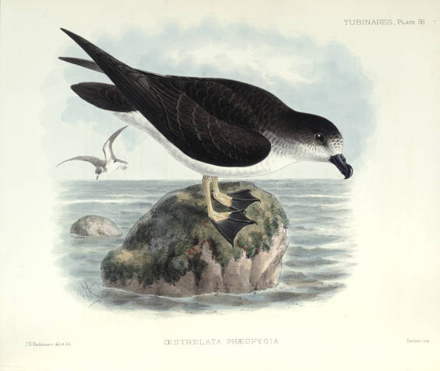
Efforts to preserve Dank rumped petrel

Cruz J.B. & Cruz F. 1996. Conservation of the dark-rumped petrel Pterodroma phaeopygia of the Galápagos Islands, 1982-1991. Bird Conservation International, 6, 23-32.

Early work on the Dark-rumped Petrel Pterodroma phaeopygia of the Galápagos Islands, Ecuador, identified colony sites and population status and alerted wildlife managers to an alarming decline in nesting numbers. Predation by introduced mammals, such as rats, cats, pigs and dogs, is the chief concern, followed by loss of nesting habitat to agricultural development. Programmes to reduce predation through poisoning and hunting, begun in 1983, increased the number of chicks fledged from the main breeding colony in eight out of nine years. Pre-breeding adults were lured by tape-recordings to 'safe' sites where they successfully raised chicks in artificial nests. Tape-luring offers hope for establishing new colonies on predator-free islands.

Thursday, 25 April 2013

Teaching wallabies to avoid cats and foxes

McLean, I. G., G. Lundie-Jenkins & P.J. Jarman. 1996. Teaching an endangered mammal to recognise predators. Biological Conservation, 75(1): 51-62.

The possibility of conditioning captive-reared animals to fear predators prior to release into the wild is often discussed, but rarely attempted. Here we show that captive-reared rufous hare-wallabies Lagorchestes hirsutus, a species of marsupial that became extinct in the Australian mainland in 1991, become more cautious after conditioning to fear predators that they will encounter after release. The predators, cats and foxes, are not historical enemies of hare-wallabies, but captive-reared predator-naïve rufous hare-wallabies reacted cautiously to them in captivity, suggesting either some genetic recognition abilities for a generalised mammalian predator, or perhaps that hare-wallabies are simply generally cautious in the presence of an unknown animal. Rufous hare-wallabies became even more cautious after two conditioning techniques were used to teach them to associate a fright with a fox or cat. We suggest that conditioning about predators may be a valuable adjunct to many management programmes involving release of predator-naïve endangered animals.

Saturday, 6 April 2013

Feral cats' diet in Australia

Another pair of articles and a review on cats' diet in Australia.

Paltridge, R., D. Gibson & G. Edwards. 1997. Diet of the Feral Cat (Felis catus) in Central Australia. Wildlife Research 24(1) 67 - 76

Feral cats (Felis catus) occur throughout central Australia. In this study, we analysed the stomach contents of 390 feral cats collected between 1990 and 1994 from the southern half of the Northern Territory. Cats fed on a wide variety of invertebrates, reptiles, birds and mammals, including animals up to their own body mass in size. Mammals were the most important prey but reptiles were regularly eaten in summer and birds were important in winter. Invertebrates were present in the diet in all seasons. Carrion appeared in stomach samples during dry winters only and this has implications for future control of feral cats.

Martin, G.R., L.E. Twigg & DJ Robinson. 1996. Comparison of the Diet of Feral Cats From Rural and Pastoral Western Australia. Wildlife Research 23(4): 475 - 484

The stomach contents of 93 cats from rural and pastoral Western Australia were compared using the number and biomass of food items, and by calculating an Index of Relative Importance for each food category. Species of small native mammals (e.g. dasyurids, rodents) and geckos were significantly (P < 0.03) more prevalent in the diet of pastoral cats, and rural cats consumed greater (P < 0.03) quantities of introduced rodents and rabbits. Several other groups of native animals (e.g. snakes, skinks, agamids) were also more prevalent in the stomachs of pastoral cats (P < 0.10). Birds and orthopterans were important food items to cats from both habitats. There was reasonable dietary overlap (mean = 0.71) between the cats from both habitats, but the dietary breadth of the pastoral cats (mean = 0.44) was two-fold greater than that of the rural cats (mean = 0.21). These findings are compared with previous studies, and are discussed with respect to possible implications for future management strategies for feral cats.

Major prey of prey of feral cats in Australia (from Dickman, C. R. 1996)

Data collected from 22 studies of feral cats in mainland Australia suggest that mammals comprise the major prey of feral cats in most localities. Introduced rabbits (Oryctolagus cuniculus) and house mice (Mus domesticus) predominate in semi-arid to arid habitats, whereas marsupials (especially the common ringtail possom (Pseudocheirus peregrinus) are predominant in temperate forest, urban and suburban habitats (Dickman 1996). Brushtail possoms (Trichosurus vulpecula), sugar gliders (Petaurus breviceps), greater gliders (Petauroides volans) and smaller prey such as brown antechinus (Antechinus stuartii), brush rat (Rattus fuscipes) and swamp rat (Rattus lutreolus) are consistently part of the diet of feral cats in the temperate forests of Australia. In wet-dry tropical habitats where rabbits do not occur native Rattus spp. become more important, including the pale field rat (Rattus tunneyi), dusky rat (R. colletti) and the long-haired rat (Rattus villosissimus).
Smaller rodents such as the spinifex hopping mouse (Notomys alexis) and the sandy inland mouse (Pseudomys hermannburgensis) may also be preyed upon. Birds are represented most highly in
temperate forest, urban and suburban habitats. Small species such as wrens (Malurus spp.), robins (Petroica spp.) and thornbills (Acanthiza spp.) have all been recorded, as have larger species such as galahs (Cacatua roseicapilla), magpies (Gymnorhina tibicen) species of parrots (Psephotus spp.). Species such as geckos and flap-footed lizards and diurnal species of skinks, dragons, goannas and snakes have often been recorded in the feral cat's diet (Dickman 1996).
Reviews of the diet of feral cats in mainland areas in other parts of the world reveal great similarities with the situation in Australia (Corbett, 1979, Fitzgerald and Karl 1979, Liberg 1984, Fitzgerald 1988, Kitchener 1991, in Dickman 1996). In all studies, mammals have consistently comprised the major part of the diet throughout the year, with other vertebrates, especially birds, comprising only a minor component. Rabbits
and murid rodents, especially Rattus species, appear to be favoured prey, and together comprise the bulk of the diet of feral cats in some localities over long periods.

Thursday, 28 March 2013

Cat diet in Macaronesia (Atlantic Ocean)

More than a dozen of papers describing the diet of feral cats on most of Macaronesian islands (Cape Verde, Canary Island and Madeira), Atlantic Ocean.
Although exotic mammals represent an important proportion of their  diet, native species suffer a strong impact from cat's predation.

Macaronesia

Medina F. M., Oliveira P., Menezes D., Teixeira S., García R. & Nogales M. 2010. Trophic habits of feral cats in the high mountain shrublands of the Macaronesian islands (NW Africa, Atlantic Ocean). Acta Theriologica 55: 241–250.
Feral cats Felis catus Linnaeus, 1758 have contributed to the extinction of numerous native species on islands, which are clearly sources of global biodiversity. We studied the diet of this introduced predator in the Madeira and Cape Verde archipelagos, which harbour important colonies of endangered sea birds in the high mountain habitats, and compared the results with those obtained in the same habitat in the Canary Islands, Macaronesian archipelago. On Madeira, 461 prey were iden ti fied from 143 scat groups. Mammals, over all mice, constituted the basic diet appearing in 95% of cat scats. On Fogo (Cape Verde), 657 prey items were obtained from 145 scats, and mammals were also the most important prey, reaching a frequency of occurrence of 88%. Although introduced mammals were the main prey category on all Macaronesian islands, we observed variation in feral cat diet among these is lands. Birds were more frequently consumed on Madeira, lizards on Tenerife (Canaries) and invertebrates on Fogo. No specific differences were observed in relation to La Palma.We suggest that the diet composition on these islands varies according to the respective availability of the different prey types.

Canary Islands

2 Nogales, M., A. Martín, G. Delgado & K. Emmerson. 1988. Food spectrum of the feral cat (Felis catus L., 1758) in the juniper woodland on El Hierro (Canary Islands). Bonner Zoologische Beiträge 39: 1-6.
The diet of feral cats inhabiting a juniper woodland on the island of El Hierro (Canary Islands) has been studied by analyzing 248 scats. A total of 1029 prey items have been identified indicating that the introduced mammals (Oryctolagus cuniculus, Mus sp. and Rattus sp.) constitute the basis of the diet appearing in 88.3 % of the samples and representing 85.4 % of the consumed biomass. Mus sp. is the most frequently captured prey but in terms of biomass. Mus sp. is the most frequently captured prey but in terms of biomass, Oryctolagus cuniculus is the fundamental bais of the diet as has similarly been found in other areas studied. Birds can be regarded as alternative prey resources of some importance though they only account for 8 % of the biomass with Cory's shearwater (Calonectris diomedea), contributing practically half this value. Reptiles appear in 44.3 % of the scats but only represent 5.9 % of the biomass, Gallotia galloti caesaris being the most frequently captured species (64.1 %). Insects, (mainly Orthoptera & Coleoptera), despite their high frequency of apparition (45.5 % of scat groups), are insignificant due to their small size, though worthy of note is the large number of larvas of Pimelia laevigata.
Le régime alimentaire du chat haret (Felis catus) est étudié à partir de 221 groupes d'excréments (environ 600 excréments) collectés dans le Parc National du Teide (Ténérife), apportant ainsi des données sur les proies capturées, leur fréquence d'apparition dans les groupes d'excréments et leur biomase. De l'étude de ce matériel on dégage que le régime se compose surtout d'Oryctolagus cuniculus, qui représente une biomasse de 64,4% et une fréquence d'apparition de 53,8%, et de reptiles (Principalement de Gallotia galloti, lézard endémiques des iles Canaries occidentales) avec 74,2%, une fréquence d'apparition en groupes de 74,2% et une biomasse de 20,6%.

In this paper we present preliminary data concerning the food spectrum on the feral cat in the Teide National Park on Tenerife. After having analysed 221 scats, 523 prey items have been identified. Rabbits (Oryctolagus cuniculus) are the fundamental base of the diet (frecuency of apparition 53,8% and biomass 65,4%) as has been similarly found in other areas studied. Also, reptiles (principally Gallotia galloti, an endemic lizard on the Western Canary Islands) was frequently captured, appearing in 74,2% of the scats groups and representing 20,6% of the total biomass.

Nogales, M., J.L. Rodríguez, G. Delgado, V. Quilis & O. Trujillo. 1992. The diet of feral cats (Felis catus) on Alegranza Island (North of Lanzarote, Canary Islands). Folia Zoologica 4: 209-212.
The diet of feral cats on Alegranza has been studied by analyzing 110 scats. A total of 199 prey items have been identified indicating that introduced mammals (Oryctolagus cuniculus and Mus sp.) constitute the basis of the diet appearing in 100 of the samples and representing 99,5% of the consumed biomass, Fortunately, it appears that breeding seabirds are not represented in their diet. However the species constitutes a potential threat to the birds if its present prey declines in number.


In this study we present a review on the diet of the feral cat on the Canary archipelago, providing the first data from the reliet laurel forest (Garajonay National Park). Among the 403 prey items identified in this habitat, rats were most numerous followed by reptiles. A total of 1.047 scat groups has been studied in the lat eight years from the main habitats of the Canaries. Most of the 2.963 prey items identified represent introduced mammals (rabbit, Oryctolagus cuniculus; mouse, Muscf. musculus and rat, Rattus sp.). These prey were commonly captured in most habitats with the exception of high mountain scrub. In this habitat, reptiles were taken instead introduced mammals. They were also more commonly included in the diet from open ground and open forest than from the denser forest. Birds were more frecuently consumed in the forest than in open areas. Anthropods appeared in significant proportions in the scats from habitats where these items reached high numbers. The results indicate that the diet of feral cats clearly varies according to the different habitats.

Medina, F.M., R. García & M. Nogales, 2006. Feeding ecology of feral cats on a heterogeneous subtropical oceanic island (La Palma, Canarian Archipelago). Acta Theriologica 51: 75−83.
We found a total of 987 prey in the 500 scats of feral cats Felis silvestris catus Linnaeus, 1758 analyzed in the present study. Introduced mammals (rabbits, rats and mice) constituted the most important prey both in percentage and biomass. Reptiles were the second most important prey, being more frequent than birds and inver te brates. Mammals were the most frequently eaten group in all five main habitats of the island, being more frequent than the remainder of prey in the laurel forest. Rabbits appeared more often in the temperate forest, rats in the laurel forest and mice in the high mountain. Birds were more frequently captured in the three higher habitats (laurel and pine forest, and high mountain) than in the two lower ones (xerophytic shrub and temperate forest). Reptiles were preyed on less in the laurel forest than in the other main habitats. Morisita index indicates a high trophic overlap among the different habitats with the exception of the laurel forest which shows important differences from the other habitats. Levin’s niche-breadth was broader in the xerophytic shrub and narrower in the temperate forest, reaching in ter mediate levels in the other three main habitats. The results obtained in the present study evidence a general pattern in the trophic ecology among similar habitats in the different subtropical Canarian islands. However, some important differences exist that could be a function of the differential prey availability and composition in each ecosys tem.

Medina, F.M. & R. García. 2007. Predation of insects by feral cats (Felis silvestris catus L., 1758) on an oceanic island (La Palma, Canary Islands). Journal of Insect Conservation 11: 203-207.
Predation of insects by feral cats (Felis silvestris catus) on a heterogeneous oceanic island (La Palma, Canary Islands) was studied. A total of 127 invertebrates were identified in the analysis of 500 scats (100 from each habitat of the Island). Invertebrates appear in 18.00% of the scats, representing an insignificant percentage of the total consumed biomass by feral cats on La Palma Island (0.05%). Insects were the most common invertebrate prey both in percentage of occurrence (90.6%) and invertebrate biomass (93.53%), with a total of 115 prey items. Orthoptera, Lepidoptera and Coleoptera were the main prey groups. Among the five main habitats present in La Palma Island, the temperate forest shows the lowest consumption of invertebrates, although insect consumption did not show statistical differences. However Orthoptera and Lepidoptera were more frequently preyed on in the pine forest and in the xerophytic shrub, respectively. Moreover, applying the Simplified Morisita index, a different insect composition of the diet was observed among habitats. Although, none of insects predated by feral cats are threatened, the identification of invertebrate component of the feral cats’ diet is an important tool for the correct understanding of predation significance and to prevent damage to endangered insect species.

Medina, F.M. & M. Nogales. 2009. A review on the impacts of feral cats (Felis silvestris catus) in the Canary Islands: implications for the conservation of its endangered fauna. Biodiversity and Conservation 18: 829-846.
Feral cats have been directly responsible for the extinction of numerous species on islands worldwide, including endemic species of mammals, birds and reptiles. The diet of feral cats in the main habitats of the Canary Islands, as generally occurred on oceanic islands, is mainly composed of introduced mammals, and native species of birds, reptiles and insects. The impact of feral cat upon the endangered species was assessed by evaluating their relative abundance in the cats’ diet and by considering their current conservation status. A total of 68 different preys were identified at species level in all studies carried out in the Canary Islands (5 mammals, 16 birds, 15 reptiles and 32 invertebrates). From all the species preyed by feral cats in the Canary Islands, only four of them are considered threatened by the IUCN Red List of Threatened Species: one endemic bird Saxicola dacotiae and three endemic giant lizards, Gallotia simonyi, Gallotia intermedia, and Gallotia gomerana. Although some efforts on management control have been carried out, it is necessary to enforce these conservation activities on those areas of Tenerife, La Gomera and El Hierro where giant lizards are still present. Furthermore some local areas where endangered bird species are highly predated should be protected. Nevertheless, it is important to take into account the presence of other introduced species such as rats, mice or rabbits in order to avoid problems derived from the hyperpredation process and mesopredator release effect.

Nogales, M. & F.M. Medina. 2009. Trophic ecology of feral cats (Felis silvestris f. catus) in the main environments of an oceanic archipelago (Canary Islands): An updated approach. Mammalian Biology 74: 169-181. 
The diet of feral cats in the main habitats of the Canary Islands is composed of introduced mammals, birds, reptiles and insects. However, introduced mammals constitute the main source of biomass consumed, followed in importance by reptiles and birds. PCA analysis of biomass revealed the ordination of three different groups, corresponding to the diet in the laurel forest (La Gomera), thermophilous forest (El Hierro) and one large group that include the rest of habitat types. A similar pattern was observed when these habitats were analyzed in a single island (La Palma). Oryctolagus cuniculus was an important prey in practically all habitats, while Rattus rattus was frequently captured in the laurel forest, Mus musculus domesticus in the open shrubs (both xeric and high mountain), reptiles (mainly lizards genus Gallotia) in the open habitats of Tenerife, birds play a relative role in forest habitats, and large invertabrates (basically Orthoptera and Coleoptera) in the three forest habitats and in the xerophytic shrub of Fuerteventura. Morisita’s index of similarity of diet showed maximum differences between the forest habitats (pine and thermophilous vs. laurel forest), indicating an important heterogeneity in the diet of feral cats in these environments. Shrub habitats showed smaller values of Levin’s niche breadth than those from the forest habitats, showing a broader diet in the latter. Lastly, the diet of feral cats on the Canary Islands follows the general pattern of other islands located at similar latitude and mainly composed by rabbits and mice. However, specific preys such as lizards, rats or birds, play an important role in particular habitats in which they are abundant.

10 Medina, F.M. & M. Nogales. 2007. Habitat use of feral cats in the main environments of an Atlantic Island (La Palma, Canary Islands). Folia Zooliga 56(3): 277–283
In this study we assess the habitat use of feral cats in the five main habitats represented on La Palma Island in the Canary Islands. We determined habitat use by the presence of faeces. Faeces persistence time was significantly different between habitats, being clearly lower in the laurel forest (the wettest) than in the other habitats. This humid environment promotes the high presence of invertebrate decomposers such as Isopoda and Diplopoda. Once the effect of differential persistence times for faeces among the different habitats was controlled for, data obtained indicated that feral cats showed no differences in the use of the five main habitats present on La Palma Island. Although cats selected closed habitats more frequently than open ones, because they prefer cover for hunting, no statistical differences were found in the island habitats studied.

11 Medina, F. M., M. López-Darias & M. Nogales. 2008. Food habits of feral cats (Felis sylvestris f. catus, L. 1758) in insular semiarid environments (Fuerteventura, Canary Islands). Wildlife Research 35: 162-169.
In this study, we present the first data on diet and impacts of feral cats on a semiarid island (Fuerteventura, Canary Islands). A total of 614 prey was identified in the 209 scats analysed. Introduced mammals, specially rabbits and mice, were the most consumed vertebrate prey and constituted more than 90% of biomass. Barbary ground squirrels, Algerian hedgehogs, and rats were preyed upon less even though they were abundant on the island. Invertebrates, mainly Orthoptera, Coleoptera, Hymenoptera and Odonata, were the second most important prey items (in terms of actual numbers) but they contributed only minimally with respect to biomass (<1.1%). The presence of terrestrial molluscs in the diet was interesting because they are a rare prey in an insular context. Birds and reptiles occurred at a low frequency. A total of 677 seeds was counted, mainly belonging to Lycium intricatum (Solanaceae) and two unidentified plant species. Levin’s niche breadth was narrow due to the high consumption of mammals. Morisita’s index showed a similar trophic overlap in diet with respect to the other xeric habitats of the Canarian archipelago. Considering that more than 90% of biomass corresponded to introduced mammals, we conclude that feral cats are not having a large direct impact on the native prey species.

12 Medina, F.M. y M. Nogales. 1993. Diet of the feral cat (Felis catus L.) in the xerophytic zone of the Macizo de Teno (Northwestern Tenerife. Doñana Acta Vertebrata, 20 (2): 291-297

The diet of the Feral cat (Felis catus) was studied in the xerophytic zone of Tenerife, by analyzing 200 scats. A total of 477 prey items were identified. Mammals (Oryctolagus cuniculus, Mus musculus and Rattus  sp.) constitued the basis of the diet occurring in 86% of the samples and representing 85,4% of the consumed biomass. Reptiles occurred in 57% of the scats and representing 13,6% of the biomass. The lizard (Gallotia galloti), endemic of the western Canary Islands, was frequenetly captured, occurring in 54% of the scat groups and representing 13% of the total biomass. This percentage is very importan in the world context of the diet. Birds and insects (frequence of occurrence less than 5%) were insignificant in the diet.


Cabo Verde
13 Medina, F. M., P. Oliveira, P. Geraldes, J. Melo & N. Barros. 2012. Diet of feral cats Felis catus L., 1758 on Santa Luzia, Cape Verde Islands. Zoologia Caboverdiana 3 (2): 67-73.
The diet of feral cats Felis catus on Santa Luzia, Cape Verde Islands, was studied. A total of 147 prey items were identified during the analysis of 26 scat groups collected during the summer of 2010. House mouse Mus musculus was the most important prey, both in percentage of biomass and number of preys consumed (89.7% and n= 117, respectively). Reptiles were the second most important prey, represented by one skink species (Chioninia stangeri) and an unidentified gecko species. The remainder of the identified prey consisted of one bird species (Passer iagoensis) and one undetermined Tettigoniidae species (Insecta). No endangered species were identified in scats of this introduced predator, but future surveys must be carried out to further avoid threats to the island’s biodiversity. 

Monday, 7 January 2013

Wildlife response to dogs

Miller, S.G., Knight, R.L. & Miller, C.K. 2001. Wildlife responses to pedestrians and dogs. Wildlife Society Bulletin, 29 (1): 124-132.

You can download here the homonimous report from 1996 

As participation in outdoor recreational activities escalates, land managers struggle to develop management policies that ensure coexistence of wildlife and recreation. However, this requires an understanding of how wildlife responds to various forms of recreational activities and the spatial context in which the activities occur. Therefore, we measured responses of 2 species of grassland songbirds, one species of forest songbird, and mule deer (Odocoileus hemionus) exposed to a pedestrian, a pedestrian accompanied by a dog on leash, and a dog alone (only for grassland birds), on and away from recreational trails. We assessed the "area of influence" for each treatment by determining the probability that an animal would flush or become alert (for mule deer only) given its perpendicular distance to a trail or a line of movement in areas without trails. When animals were disturbed, we measured flush distance (the distance between the disturbance and the animal when flushed), distance moved, and, for mule deer, alert distance (the distance between the disturbance and the deer when it became alert). For all species, area of influence, flush distance, distance moved, and alert distance (for mule deer) was greater when activities occurred off-trail versus on-trail. Generally, among on-trail and off-trail treatments in grasslands for vesper sparrows (Pooecetes gramineus) and western meadowlarks (Sturnella neglecta), the smallest area of influence and shortest flush distance and distance moved resulted from the dog-alone treatment, and these responses were greater for the pedestrian-alone and dog-on-leash treatments. In forests, for American robins (Turdus migratorius), the area of influence, flush distance, and distance moved did not generally differ between the pedestrian-alone and dog-on-leash treatments. For mule deer, presence of a dog resulted in a greater area of influence, alert and flush distance, and distance moved than when a pedestrian was alone. Natural lands managers can implement spatial and behavioral restrictions in visitor management to reduce disturbance by recreational activities on wildlife. Restrictions on types of activities allowed in some areas such as prohibiting dogs or restricting use to trails will aid in minimizing disturbance. Additionally, managers can restrict the number and spatial arrangement of trails so that sensitive areas or habitats are avoided.

Thursday, 29 November 2012

Overview of the impacts of feral cats on Australian native fauna

Chris R.Dickman. 1996. Overview of the Impacts of Feral Cats on Australian Native Fauna. Institute of Wildlife Research and School of Biological Sciences. University of Sydney. Australian Nature Conservation Agency. Pp. 97.

This report provides an overview of the impact of feral cats Felis catus on native fauna of the Pacific region, with particular reference to Australia and its island territories. In Australia, cats take a wide variety of native species of mammals, birds and reptiles, but show evident preference for young rabbits or small marsupials where these are available. Reptiles are taken primarily in and habitats, while birds often feature predominantly in the diet of cats on islands. Despite their catholic diet, population-level impacts of feral cats on native fauna have been poorly documented. There is considerable potential for competition to occur between cats and carnivorous species such as quolls and raptors, but no critical evidence has yet been adduced. There is also potential for amerisal impacts to occur, either via transmission of the pseudophyllidean tapeworm Spirometra erinacei or of the protozoan parasite Toxoplasma gondii, but evidence for deleterious effects in freeliving animals is not compelling. Direct predatory impacts have been inferred from anecdotal and historical evidence, more strongly from failed attempts to reintroduce native species to their former ranges, and most critically from the decimation of island faunas and responses of prey species following experimental removal of cats or reduction of cat numbers. Attributes of the biology of feral cats and their prey species derived from the literature review were used to develop a rank-scoring system to assess the susceptibility of native species to cat predation. Species listed federally as endangered or vulnerable were designated as being at zero, low or high risk of impact from cats according to their attribute scores, and their distributions mapped from primary sources and actual locality data. Based on the number of threatened species they contain, localities and regions within Australia were placed in order of priority for future research to clarify the precise impacts of feral cats. Although difficult and expensive to carry out, controlled and replicated field removal experiments are recommended to elucidate cat impacts in all mainland areas. Removal of cats should take place also on offshore islands and island territories, but only if pilot studies show that this will not release populations of alternative predator species such as introduced rats. If release appears likely, cats should be removed only as a component of an integrated control program that targets all relevant predators.
Related Posts Plugin for WordPress, Blogger...