Les hommes ont oublié cette vérité. Mais tu ne dois pas l'oublier, dit le renard. Tu deviens responsable pour toujours de ce que tu as apprivoisé.
Le Petit Prince, chap. 21
Showing posts with label Hawaii. Show all posts

Wednesday, 13 April 2016

An international comparison of the attitudes of urban people regarding predation by pet cats

Hall, C. M., Adams, N. A., Bradley, J. S., Bryant, K. A., Davis, A. A., Dickman, C. R., ... & Pollock, K. H. (2016). Community Attitudes and Practices of Urban Residents Regarding Predation by Pet Cats on Wildlife: An International Comparison. PLoS One, 11(4), e0151962.

International differences in practices and attitudes regarding pet cats' interactions with wildlife were assessed by surveying citizens from at least two cities in Australia, New Zealand, the UK, the USA, China and Japan. Predictions tested were: (i) cat owners would agree less than non-cat owners that cats might threaten wildlife, (ii) cat owners value wildlife less than non-cat owners, (iii) cat owners are less accepting of cat legislation/restrictions than non-owners, and (iv) respondents from regions with high endemic biodiversity (Australia, New Zealand, China and the USA state of Hawaii) would be most concerned about pet cats threatening wildlife. Everywhere non-owners were more likely than owners to agree that pet cats killing wildlife were a problem in cities, towns and rural areas.
Cat husbandry practices in different countries. (a) Percentage of households that own one, two or more than two cats (b) Percentage of cats kept in different conditions of confinement (c) Percentage of desexed cats. (d) Percentage of cats that have ever caught vertebrate prey.
Agreement amongst non-owners was highest in Australia (95%) and New Zealand (78%) and lowest in the UK (38%). Irrespective of ownership, over 85% of respondents from all countries except China (65%) valued wildlife in cities, towns and rural areas. Non-owners advocated cat legislation more strongly than owners except in Japan. Australian non-owners were the most supportive (88%), followed by Chinese non-owners (80%) and Japanese owners (79.5%). The UK was least supportive (non-owners 43%, owners 25%). Many Australian (62%), New Zealand (51%) and Chinese owners (42%) agreed that pet cats killing wildlife in cities, towns and rural areas was a problem, while Hawaiian owners were similar to the mainland USA (20%).

Percentage agreement of cat owners (dark blue) and non-owners (light blue) in each country to eight survey items: (a) There is a need for cat legislation (b) All cats should be kept in at night time (c) Cats should be kept on their owner's property at all times (d) It is important to have wildlife in cities, towns and rural areas (e) Pet cats killing wildlife in cities, towns and rural areas is a serious problem (f) Pet cats on farms are harmful to wildlife (g) Pet cats in nature reserves are harmful to wildlife (h) Except for a cat owned by a breeder, all cats should be desexed.
Thus high endemic biodiversity might contribute to attitudes in some, but not all, countries. Husbandry practices varied internationally, with predation highest where fewer cats were confined. Although the risk of wildlife population declines caused by pet cats justifies precautionary action, campaigns based on wildlife protection are unlikely to succeed outside Australia or New Zealand. Restrictions on roaming protect wildlife and benefit cat welfare, so welfare is a better rationale.

Thursday, 17 March 2016

For Rare Hawaiian Birds, Cats Are Unwelcome Neighbors

Last fall, a nest camera operated by the Kaua‘i Endangered Seabird Recovery Project recorded a devastating scene. A feral cat extracted an adult shearwater and its chick from their nearly inaccessible mountaintop burrow and killed both birds. (Watch the video here, but be warned that the content is graphic.)...


Wednesday, 16 March 2016

Toxoplasmosis in endangered Hawaiian goose


Toxoplasma gondii is a protozoan parasite transmitted by domestic cats (Felis catus) that has historically caused mortality in native Hawaiian birds. To estimate how widespread exposure to the parasite is in nene (Hawaiian Geese, Branta sandvicensis), we did a serologic survey for T. gondii antibody and genetically characterized parasite DNA from the tissues of dead birds that had confirmed infections by immunohistochemistry. Of 94 geese sampled, prevalence on the island of Kauai, Maui, and Molokai was 21% (n=42), 23% (n=31), and 48% (n=21), respectively. Two new T. gondii genotypes were identified by PCR-restriction fragment length polymorphism from four geese, and these appeared segregated geographically. Exposure to T. gondii in wild nene is widespread and, while the parasite is not a major cause of death, it could have sublethal or behavioral effects. How to translate such information to implement effective ways to manage feral cats in Hawaii poses challenges.

Sunday, 25 October 2015

Alien predator control to benefit endangered Hawaiian waterfowl

Underwood, J. G., Silbernagle, M., Nishimoto, M., & Uyehara, K. J. 2014. Non-native Mammalian Predator Control to Benefit Endangered Hawaiian Waterbirds. Proc. 26th Vertebr. Pest Conf. (R. M. Timm and J. M. O’Brien, Eds.) Published at Univ. of Calif., Davis. 2014. Pp. 32-39.

Hawai‘i’s wetlands are inhabited by 5 endangered endemic waterbird species: the Hawaiian stilt (ae‘o), Hawaiian coot (‘alae ke‘oke‘o), Hawaiian duck (koloa maoli), Hawaiian goose (nēnē), and Hawaiian gallinule/Moorhen (‘alae ‘ula). One of the biggest threats facing these waterbirds is predation by non-native mammalian predators. Non-native cats, rats, and mongooses all directly depredate either eggs, young, or adult birds. Control of these predators is a key component of the active management strategy employed to recover Hawaiian waterbirds. Predator control efforts have included live or kill traps, rodenticide bait stations, and fences in areas important for the waterbirds. To evaluate the success of these predator control efforts on key wetland national wildlife refuges in Hawai‘i, we explored 4 metrics: live trap capture history, rodent and mongoose presence/absence using track tunnels, waterbird population densities, and waterbird reproductive success. The track tunnel data documented lower predator density within the predator control areas. The live trapping capture history data showed strong spatial patterns of higher success along perimeter fence lines and limited success within the interior of the wetlands. We also found that areas receiving predator control had both higher reproductive success and, in most cases, greater waterbird population densities. These findings support mammalian predator control as a key management strategy to promote recovery of these endangered species.

Monday, 24 August 2015

Different perception of stray cat risks in Florida and Hawaii

Wald, D.M. & C.A. Lohr. 2015. A comparison of cat-related risk perceptions and tolerance for outdoor cats in Florida and Hawaii. Conservation Biology doi: 10.1111/cobi.12671


Perceptions of risk and attitudes toward animals predict tolerance for wildlife and management preferences. Little is currently known about how these relationships vary across different geographic regions and interest groups. In this study, we combined data collected independently in two different states that are recognized centers of the outdoor cat management debate (Florida and Hawaii). We then identified differences in tolerance for outdoor cats and risk perceptions between key interest groups and the public using a consistent methodology to draw conclusions about how public perception of the risks presented by outdoor cats, group membership and state of residence influenced people's tolerance for outdoor cat populations across widely separated geographical, cultural, and political regions. Our results indicate that there were significant State and group differences in tolerance for outdoor cats, perceived cat-related risks, and experiences with outdoor cats. Our findings suggest that public tolerance for cats is susceptible to the influence of local or geographical concerns; but strongly held beliefs, risk perceptions and feelings about cats are more important predictors of stakeholder tolerance.

Thursday, 16 July 2015

Cat vectored toxoplasmosis among the main causes of mortality in endangered Nene

Work, T. M., Dagenais, J., Rameyer, R., & Breeden, R. (2015). Mortality patterns in endangered Hawaiian geese (Nene, Branta sandvicensis). Journal of Wildlife Diseases, 51(3), 688-695.

Understanding causes of death can aid management and recovery of endangered bird populations. Toward those ends, we systematically examined 300 carcasses of endangered Hawaiian Geese (Nene; Branta sandvicensis) from Hawaii, Maui, Molokai, and Kauai between 1992 and 2013. The most common cause of death was emaciation, followed by trauma (vehicular strikes and predation), and infectious/inflammatory diseases of which toxoplasmosis (infection with Toxoplasma gondii) predominated. Toxicoses were less common and were dominated by lead poisoning or botulism. For captive birds, inflammatory conditions predominated, whereas emaciation, trauma, and inflammation were common in free-ranging birds. Mortality patterns were similar for males and females. Trauma predominated for adults, whereas emaciation was more common for goslings. Causes of death varied among islands, with trauma dominating on Molokai, emaciation and inflammation on Kauai, emaciation on Hawaii, and inflammation and trauma on Maui. Understanding habitat or genetic-related factors that predispose Nene (particularly goslings) to emaciation might reduce the impact of this finding. In addition, trauma and infection with T. gondii are human-related problems that may be attenuated if effectively managed (e.g., road signs, enforcement of speed limits, feral cat [Felis catus] control). Such management actions might serve to enhance recovery of this endangered species.

Wednesday, 24 December 2014

Feral cat attacks an endangered Hawaiian Petrel

Video provided by the Kauai Endangered Seabird Recovery Project shows a feral cat eating an endangered Hawaiian Petrel.


Sunday, 21 December 2014

Cat eating endangered honeycreeper


The non-native feral cat in Hawaii is the most threatening predator to critically endangered palila. Palila did not evolve with these predators and are especially vulnerable to them. Evidence of their vulnerability was documented by researchers studying nest success of palila using continuous-loop video cameras to monitor the nests. Based on predation rates of the nests monitored, feral cats cause about 10% of all palila nests to fail every year.

Nest predation on endangered Hawaiian honeycreeper

Laut, M. E., Banko, P. C., & Gray, E. M. (2003). Nesting behavior of Palila, as assessed from video recordings. Pacific science, 57(4), 385-392.

We quantified nesting behavior of Palila (Loxioides bailleui), an endangered Hawaiian honeycreeper, by recording at nests during three breeding seasons using a black-and-white video camera connected to a videocassette recorder. A total of seven nests was observed. We measured the following factors for daylight hours: percentage of time the female was on the nest (attendance), length of attendance bouts by the female, length of nest recesses, and adult provisioning rates. Comparisons were made between three stages of the 40-day nesting cycle: incubation (day 1–day 16), early nestling stage (day 17–day 30 [i.e., nestlings ≤14 days old]), and late nestling stage (day 31–day 40 [i.e., nestlings > 14 days old]). Of seven nests observed, four fledged at least one nestling and three failed. One of these failed nests was filmed being depredated by a feral cat (Felis catus). Female nest attendance was near 82% during the incubation stage and decreased to 21% as nestlings aged. We did not detect a difference in attendance bout length between stages of the nesting cycle. Mean length of nest recesses increased from 4.5 min during the incubation stage to over 45 min during the late nestling stage. Mean number of nest recesses per hour ranged from 1.6 to 2.0. Food was delivered to nestlings by adults an average of 1.8 times per hour for the early nestling stage and 1.5 times per hour during the late nestling stage and did not change over time. Characterization of parental behavior by video had similarities to but also key differences from findings taken from blind observations. Results from this study will facilitate greater understanding of Palila reproductive strategies.

Friday, 19 December 2014

Videographic evidence of endangered species depredation by feral cat in Hawaii

Judge, S., Lippert, J. S., Misajon, K., Hu, D., & Hess, S. C. (2012). Videographic evidence of endangered species depredation by feral cat. Pacific Conservation Biology, 18(4), 293.

Feral cats (Felis catus) have long been implicated as nest predators of endangered 'Ua'u (Hawaiian Petrel; Pterodroma sandwichensis) on Hawai'i Island, but until recently, visual confirmation has been limited by available technology. 'Ua'u nest out of view, deep inside small cavities, on alpine lava flows. During the breeding seasons of 2007 and 2008, we monitored known burrows within Hawai'i Volcanoes National Park. Digital infrared video cameras assisted in determining the breeding behaviour and nesting success at the most isolated of burrows. With 7 cameras, we collected a total of 819 videos and 89 still photographs of adult and nestling 'Ua'u at 14 burrows. Videos also confirmed the presence of rats (Rattus spp.) at 2 burrows, 'Oma'o (Myadestes obscurus) at 8 burrows, and feral cats at 6 burrows. A sequence of videos showed a feral cat taking a downy 'Ua'u chick from its burrow, representing the first direct evidence of 'Ua'u depredation by feral cat in Hawai'i. This technique provides greater understanding of feral cat behaviour in 'Ua'u colonies, which may assist in the development of more targeted management strategies to reduce nest predation on endangered insular bird species.

Wednesday, 17 December 2014

Comparison of managed and unmanaged wedge-tailed shearwater colonies: Effects of predation

Smith, D. G., Polhemus, J. T., & VanderWerf, E. A. (2002). Comparison of managed and unmanaged wedge-tailed shearwater colonies on O'ahu: Effects of predation. Pacific Science, 56(4), 451-457.

On O‘ahu, Wedge-tailed Shearwaters (Puffinus pacificus) and other seabirds nest primarily on small offshore islets, but fossil evidence shows that many seabirds formerly bred on O‘ahu itself. Predation by introduced mammals is suspected to be the primary factor preventing shearwaters and other seabirds from reestablishing large nesting colonies on O‘ahu. We investigated the effects of predation on Wedge-tailed Shearwaters by comparing three small unmanaged colonies at Mālaekahana State Recreation Area on O‘ahu, where feral cats are fed by the public, with a large managed colony at nearby Moku‘auia Island State Seabird Sanctuary, where predators are absent. During three visits on 19 April, 16 June, and 23 October 2000, we located 69 occupied burrows in three colonies at Mālaekahana and 85 occupied burrows in four monitoring plots at Moku‘auia. Many more nests produced chicks at Moku‘auia (62%) than at Mālaekahana (20%). Among plots at Ma¯laekahana, reproductive success was lowest (zero) at the colony closest to the cat feeding site. In addition, 44 adult shearwater carcasses were found at Mālaekahana near the cat feeding site. Predation, most likely by cats attracted to supplemental food, had a devastating impact on shearwaters at Mālaekahana. At one colony there was complete reproductive failure and almost all adults were killed. Populations of long-lived species like seabirds are sensitive to adult mortality, and Ma¯laekahana may act as a sink, draining birds away from other areas.

Thursday, 24 July 2014

Increase in seabirds and changes in soil nutrients after removal of feral predators and alien plants

VanderWerf, E. A., Young, L. C., Crow, S. E., Opie, E., Yamazaki, H., Miller, C. J., Anderson, D.G., Brown, L.S., Smith D.G. & Eijzenga, J. (2014). Increase in Wedge‐tailed Shearwaters and Changes in Soil Nutrients following Removal of Alien Mammalian Predators and Nitrogen‐fixing Plants at Kaena Point, Hawaii. Restoration Ecology.

A predator-proof fence was built at Kaena Point Natural Area Reserve, Hawaii in 2010 as part of an ecosystem restoration project. All non-native mammalian predators were removed and are now excluded. Non-native plants are being removed and native species are being outplanted. We monitored abundance and reproduction of Puffinus pacificus (wedge-tailed shearwaters), collected soil samples before and after fence construction, and examined the relationship between changes in shearwater numbers and soil nutrients. Shearwater numbers increased over time, from 11 young produced in 1994 to 3,274 in 2012. The average number of shearwaters produced during the 3 years before and after fence construction increased from 614 ± 249 to 2,359 ± 802 (384% increase). The average number of shearwater pairs attempting to nest also increased during the same periods, from 3,265 ± 827 to 4,726 ± 826 (45% increase). Soil samples from 2010 to 2013 showed an overall decline in concentration of ammonium (NH4+) and no change in concentration of nitrate (NO3) or orthophosphate (PO43−). . However, there was a positive relationship between changes in shearwater numbers and changes in ammonium. Examination of spatial patterns in nutrient abundance showed that the highest nutrient concentrations occurred in areas dominated by the non-native nitrogen-fixing plants Leucaena leucocephala and Prosopis pallida. Removal of these plants caused local nutrient declines, but increases in shearwater numbers have countered this at some points. We anticipate that shearwaters and other seabirds will replace non-native plants as the dominant source of nitrogen and phosphorous and facilitate recovery of a native-dominated plant assemblage.

Tuesday, 3 June 2014

People's preferences on feral cats management in Hawaii

Cox, L. J. (2014) Identifying people’s most preferred management technique for feral cats in Hawaii. Human Wildlife Interactions 8 (1): 56-66

Feral cats (Felis catus) are abundant in many parts of the world and pose a threat to native wildlife. Human–wildlife conflicts regarding how feral cats should be managed have increased recently. In Hawaii, previous research has revealed that most residents would like to see the feral cat abundance reduced, but opinions differ regarding which techniques are acceptable for achieving this. This paper describes an analytical hierarchy process that combines rankings of decision criteria by Hawaii’s residents with expert knowledge of the costs and benefits associated with 7 techniques (live-capture and adoption, live-capture and lethal injection, live-capture and lethal gunshot, trap-neuter-release [TNR]), lethal traps, predatorproof fence, and sharpshooter) for reducing feral cat abundance. We used a state-wide survey with 1,369 respondents and in-person surveys with 11 wildlife professionals to gather data for the model. Inconsistency values were below 0.1 for data from both the state-wide survey and the survey of wildlife professionals. Sensitivity analysis revealed that the model was not sensitive to changes in the public’s ranking of the decision criteria, because when data were averaged all decision criteria became equally important. The final ranking of the management techniques was dominated by the costs and benefits of each technique. Lethal traps were ranked as the best technique, and TNR was ranked as the worst technique.

Thursday, 3 April 2014

Reducing feral cat threats to native wildlife in Hawai`i

Hess, S. C., H. Hansen, and P. C. Banko. 2007. Reducing feral cat threats to native wildlife in Hawai`i. Hawai`i Cooperative Studies Unit Technical Report HCSU-010. University of Hawai`i at Hilo. 102 pp., incl. 14 figures, & 19 tables.

We documented the diet of feral cats (Felis catus) on Kīlauea and Mauna Loa within Hawai`i Volcanoes National Park (HAVO), determined the incidence of three feline diseases on Mauna Kea, studied feral cat home range, developed and tested trap-signaling devices, tested food-based baits and attractants, analyzed feral cat population dynamics using genetic techniques, and developed an adaptive strategy for reducing predation on endangered Hawaiian birds.

We documented the diet of feral cats by analyzing the contents of 42 digestive tracts from Kīlauea and Mauna Loa in Hawai`i Volcanoes National Park. Small mammals, invertebrates, and birds were the most common prey types consumed by feral cats. Birds occurred in 27.8–29.2% of digestive tracts. The total number of bird, small mammal, and invertebrate prey differed between Kīlauea and Mauna Loa. On Mauna Loa, significantly more (89%) feral cats consumed small mammals, primarily rodents, than on Kīlauea Volcano (50%). Mice (Mus musculus) were the major component of the feral cat diet on Mauna Loa, whereas Orthoptera were the major component of the diet on Kīlauea. We recovered a mandible set, feathers, and bones of an endangered Hawaiian Petrel (Pterodroma sandwichensis) from a digestive tract from Mauna Loa. This specimen represents the first well-documented endangered seabird to be recovered from the digestive tract of a feral cat in Hawai`i and suggests that feral cats prey on this species.

We determined prevalence to feline immunodeficiency virus (FIV) antibodies, feline leukemia virus (FeLV) antigen, and Toxoplasma gondii antibodies in feral cats on Mauna Kea Hawai`i from April 2002 to May 2004. Six of 68 (8.8%) and 11/68 (16.2%) were antibody positive to FIV and antigen positive for FeLV, respectively; 25/67 (37.3%) were seropositive to T. gondii. Antibodies to FeLV and T. gondii occurred in all age and sex classes, but FIV occurred only in adult males. Evidence of previous or current infections with two of these infectious agents was detected in eight of 64 cats (12.5%). Despite exposure to these infectious agents, feral cats remain abundant throughout the Hawaiian Islands.

Feral cats in dry subalpine woodland of Mauna Kea, Hawai`i, live in low density and exhibit some of the largest reported home ranges in the literature. While 95% fixed kernel home range estimates for three females averaged 772 ha, four males averaged 1,418 ha, and one male maintained a home range of 2,050 ha. Mean daily movement rates between sexes overlapped widely and did not differ significantly (P = 0.083). Log-transformed 95% kernel home ranges for males were significantly larger than those of females (P = 0.024), but 25% kernel home ranges for females were larger than those of males (P = 0.017). Moreover, logtransformed home ranges of males were also significantly larger than those of females in this and seven other studies from the Pacific region (P = 0.044). Feral cats present a major threat to endangered Hawaiian birds, but knowledge of their ecology can be used for management by optimizing trap spacing and creating buffer zones around conservation areas.

Frequent checks of live traps require enormous amounts of labor and add human scents associated with repeated monitoring which may reduce capture efficiency. To reduce efforts and increase efficiency, we developed a trap-signaling device with long-distance reception, durability in adverse weather, and ease of transport, deployment, and use. Modifications from previous designs include a normally-open magnetic switch and a mounting configuration to maximize reception. The system weighed < 225 g, was effective ≤ 17.1 km, and failed in < 1% of trap-nights. Employing this system, researchers and wildlife managers may reduce the amount of effort checking traps while improving the welfare of trapped animals.

Successful feral cat control programs require effective baits and lures. Non-targets may interfere with trapping efforts by rapidly consuming bait before feral cats encounter traps, necessitating frequent bait replacement. We compared the effectiveness of baits and lures by analyzing capture rates of feral cats and non-targets and monitoring animal visits to bait stations with remotely-triggered cameras. We tested four different baits and attractants: canned cat food, sardines, catnip, and a bait sausage that we formulated from pork and fat. We trapped for a total of 3,389 trap nights and captured 35 feral cats. There were 323 incidences of trap interferences, reducing the effective trap nights (ETN) to 3,225. The primary cause of trap interference was feral pigs rolling over traps (n = 185, 57.3% of interferences). The primary non-target species captured were small Indian mongooses (n = 74, 22.9% of interferences). Overall, more cats and mongooses were captured using sardines, although the catch frequencies were not dependent on the bait type used. We obtained photographs of 1,476 small mammals at the bait stations. Mongooses were the principal mammals photographed (n = 939, 69.5% of pictures). We also obtained 398 photographs of rats (29.5%) and 9 (0.7%) of mice. Feral cats were photographed only 5 (0.4%) times. We found strong differences between mongooses, rodents, and cats photographed at the four bait types. Sardines were the most visited bait type (n = 641, 47.4% of photographs). Pork sausage and cat food accounted for 383 (28.3%) and 322 (23.8%) visits while catnip had only 67 (5.0%) visits. Feral cats were photographed only at sardine bait. Mongooses were attracted primarily to  sardines (49.3%). Pork sausage was the most attractive bait to rats, accounting for 44.5% of photographs. Due to the high rate of non-target interference, other attractants need to be tested for successful feral cat control programs.

Population genetics can provide information about the demographics and dynamics of invasive species that is beneficial for developing effective control strategies. We studied the population genetics of feral cats on Hawai`i Island by microsatellite analysis to evaluate genetic diversity and population structure, assess gene flow and connectivity among three populations, identify potential source populations, characterize population dynamics, and evaluate sex-biased dispersal. High genetic diversity, low structure, and high number of migrants per generation supported high gene flow that was not limited spatially. Migration rates revealed that most migration occurred out of West Mauna Kea. Effective population size estimates indicated increasing cat populations despite control efforts. Despite high gene flow, relatedness estimates declined significantly with increased geographic distance and Bayesian assignment tests revealed the presence of three population clusters. Genetic structure and relatedness estimates indicated male-biased dispersal. Mauna Kea may be a source population that can be targeted for control. However, recolonization seems likely given the great dispersal ability that may not be inhibited by barriers such as lava flows. Genetic monitoring will be necessary to assess the effectiveness of future control efforts.

Despite the long history of feral cats in Hawai`i, there has been little research to provide strategies to improve control programs and reduce depredation on endangered species. Our objective was to develop a predictive model to determine how landscape features on Mauna Kea such as habitat, elevation, and proximity to roads affect the number of feral cats captured at each trap. We used log-link generalized linear models and QAICc model ranking criteria to determine the effect of these factors. We found that the number of cats captured per trap was related to trapping effort, habitat type, and whether traps were located on the West or North Slope of Mauna Kea. We recommend an adaptive management strategy to minimize trapping interference by non-target small Indian mongoose (Herpestes auropunctatus) with toxicants, to focus trapping efforts in māmane (Sophora chrysophylla) habitat on the West slope of Mauna Kea, and to cluster traps near others that have previously captured multiple cats.

Saturday, 4 January 2014

Home range and movements of feral cats on Mauna Kea

Goltz, D. M., Hess, S. C., Brinck, K. W., Banko, P. C., & Danner, R. M. (2008). Home range and movements of feral cats on Mauna Kea, Hawai ‘i. USGS Staff -- Published Research.Paper 644
.

Feral cats Felis catus in dry subalpine woodland of Mauna Kea, Hawai‘i, live in low density and exhibit some of the largest reported home ranges in the literature. While 95% fixed kernel home range estimates for three females averaged 772 ha, four males averaged 1 418 ha, and one male maintained a home range of 2 050 ha. Mean daily movement rates between sexes overlapped widely and did not differ significantly (P = 0.083). Log-transformed 95% kernel home ranges for males were significantly larger than those of females (P = 0.024), but 25% kernel home ranges for females were larger than those of males (P = 0.017). Moreover, log-transformed home ranges of males were also significantly larger than those of females in this and seven other studies from the Pacific region (P = 0.044). Feral cats present a major threat to endangered Hawaiian birds, but knowledge of their ecology can be used for management by optimizing trap spacing and creating buffer zones around conservation areas.

Using genetics to plannify feral cat control

Hansen, H., Hess, S. C., Cole, D., & Banko, P. C. (2008). Using population genetic tools to develop a control strategy for feral cats (Felis catus) in Hawai'i.Wildlife Research, 34(8), 587-596.


Population genetics can provide information about the demographics and dynamics of invasive species that is beneficial for developing effective control strategies. We studied the population genetics of feral cats on Hawai‘i Island by microsatellite analysis to evaluate genetic diversity and population structure, assess gene flow and connectivity among three populations, identify potential source populations, characterise population dynamics, and evaluate sex-biased dispersal. High genetic diversity, low structure, and high number of migrants per generation supported high gene flow that was not limited spatially. Migration rates revealed that most migration occurred out of West Mauna Kea. Effective population size estimates indicated increasing cat populations despite control efforts. Despite high gene flow, relatedness estimates declined significantly with increased geographic distance and Bayesian assignment tests revealed the presence of three population clusters. Genetic structure and relatedness estimates indicated male-biased dispersal, primarily from Mauna Kea, suggesting that this population should be targeted for control. However, recolonisation seems likely, given the great dispersal ability that may not be inhibited by barriers such as lava flows. Genetic monitoring will be necessary to assess the effectiveness of future control efforts. Management of other invasive species may benefit by employing these population genetic tools.

Thursday, 26 December 2013

Management preferences regarding feral cats in Hawai'i

LOHR, C. A., & LEPCZYK, C. A. (2013). Desires and Management Preferences of Stakeholders Regarding Feral Cats in the Hawaiian Islands. Conservation Biology. Article first published online: 20 DEC 2013 | DOI: 10.1111/cobi.12201

Feral cats are abundant in many parts of the world and a source of conservation conflict. Our goal was to clarify the beliefs and desires held by stakeholders regarding feral cat abundance and management. We measured people's desired abundance of feral cats in the Hawaiian Islands and identified an order of preference for 7 feral cat management techniques. In 2011 we disseminated a survey to 5407 Hawaii residents. Approximately 46% of preidentified stakeholders and 20% of random residents responded to the survey (1510 surveys returned). Results from the potential for conflict index revealed a high level of consensus (86.9% of respondents) that feral cat abundance should be decreased. The 3 most common explanatory variables for respondents’ stated desires were enjoyment from seeing feral cats (84%), intrinsic value of feral cats (12%), and threat to native fauna (73%). The frequency with which respondents saw cats and change in the perceived abundance of cats also affected respondent's desired abundance of cats; 41.3% of respondents stated that they saw feral cats daily and 44.7% stated that the cat population had increased in recent years. Other potential environmental impacts of feral cats had little affect on desired abundance. The majority of respondents (78%) supported removing feral cats from the natural environment permanently. Consensus convergence models with data from 1388 respondents who completed the relevant questions showed live capture and lethal injection was the most preferred technique and trap-neuter-release was the least preferred technique for managing feral cats. However, the acceptability of each technique varied among stakeholders. Our results suggest that the majority of Hawaii's residents would like to see effective management that reduces the abundance of feral or free-roaming cats.

See also this post

Friday, 4 October 2013

Predator proof fencing in Hawai'i

UNIT, P. C. S. (2012). The use of predator proof fencing as a management tool in the Hawaiian Islands: a case study of Kaena Point Natural Area Reserve.

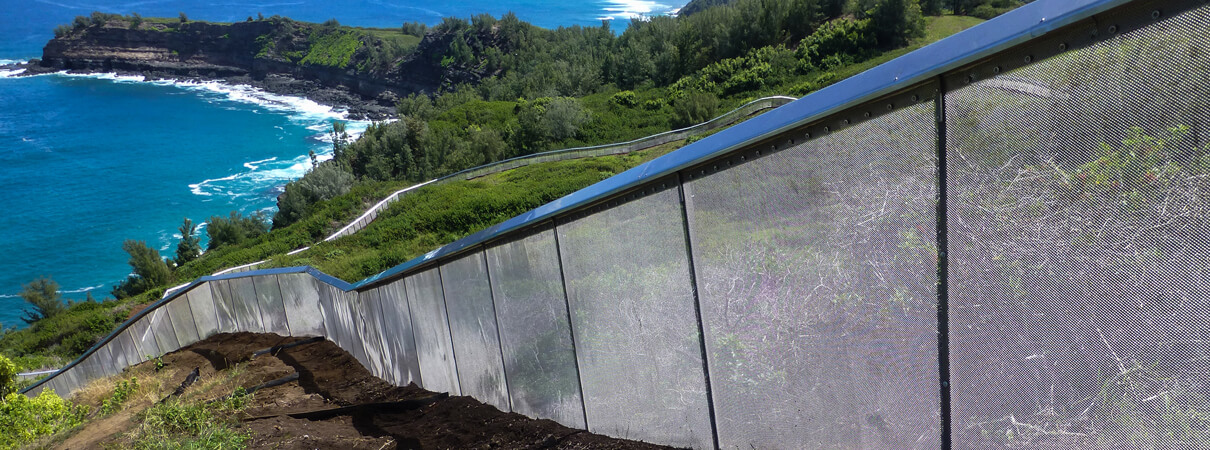
The Ka`ena Point Ecosystem Restoration Project was the result of a partnership between the Hawai`i Department of Land and Natural Resources, Divisions of Forestry and Wildlife and State Parks, the U.S. Fish and Wildlife Service, and the Hawai`i Chapter of The Wildlife Society. Ka`ena Point Natural Area Reserve (NAR) hosts one of the largest seabird colonies in the main Hawaiian islands, three species of endangered plants, and is a pupping ground for the endangered Hawaiian monk seals. Prior to fence construction, nesting seabirds and native plants were under constant threat from predatory animals; up to 15% of seabird chicks were killed each year prior to fledging and many endangered plants were unable to reproduce as a result of seed predation. The project involved the construction of predator-proof fencing (2m tall) to prevent feral predators such as dogs, cats, mongoose, rats and mice from entering into 20ha of coastal habitat within Ka`ena Point, followed by removal of these species.

The project was initiated with the hiring of a project coordinator, followed closely by hiring of a two-person public outreach team. The public outreach was extensive reaching over 2500 individuals via personal contact and tens of thousands more as a result of dozens of stories appearing on evening news channels, articles published in local newspapers and newsletters, and several mini-documentaries aired on local cable television shows. A website was also established to post educational materials and information on the project (www.restoreKa`ena.org). The vast majority of the public was supportive despite the vigorous objections of a few individuals.

Multiple federal, state and county permits were required. In total 12 permits were applied for and obtained over a four-year period. Two years were lost as a result of multiple contested cases filed against the project which prevented progress during their resolution. Final permit approvals were completed in November 2010, construction began on November 10, 2010 and was completed on March 30, 2011 after a two-month hiatus for the holidays

To document the effects of predator removal, extensive ecological monitoring was conducted on both native and non-native species prior to the predator removal. A permanent monitoring grid with points placed every 50m was established in the reserve to document micro-habitat shifts. Seabird populations in the reserve had been monitored intensively for over seven years, and a complete botanical, invertebrate and marine intertidal survey was conducted to document the vascular plant species present and their percent cover. Extensive rodent monitoring was also conducted to document the species present, their relative abundance, reproductive cycle, and home range to select the most effective eradication method. Based on monitoring results and regulatory restrictions, a combination of diphacinone in bait boxes, as well as live traps were used to eradicate rodents, and a combination of live-trapping and shooting was used to remove larger animals such as dogs, cats and mongoose.

Invasive mammal eradication operations were initiated in February 2011 during the low point in the rodent reproductive cycle, using a combination of rodenticide in bait boxes spaced 25m apart and live multiple-catch traps placed 12.5m apart. Within three months, all predators, with the exception of mice were eradicated from within the reserve. Mice took an additional six months to full remove and operations were completed in the fall of 2011.

The exclusion and removal of these predatory animals is anticipated to increase in the existing population of nesting seabirds, encourage new seabird species to nest at Ka`ena Point, enhance regeneration and recruitment of native plants, and benefit monk seals by reducing the risk of disease transmission. The

Ka`ena Point Ecosystem Restoration Project is expected to have primarily positive effects on the resources protected in the NAR and provide the people of Hawai`i with an opportunity to visit a restored ecosystem. This was the first predator proof fence constructed in the United States at the time of its completion, and was the first project to successfully eliminate mice using the techniques discussed above.

Fencing to eradicate several invasive predators in Hawai'i

Young, L. C., VanderWerf, E. A., Lohr, M. T., Miller, C. J., Titmus, A. J., Peters, D., & Wilson, L. (2013). Multi-species predator eradication within a predator-proof fence at Ka ‘ena Point, Hawai ‘i. Biological Invasions, 1-12.

Ka‘ena Point Natural Area Reserve on O‘ahu hosts one of the largest seabird colonies in the main Hawaiian Islands and supports three species of endangered plants. In order to stop chronic predation by invasive alien mammals on native species, a peninsula-style predator-proof fence was constructed around a 20-ha portion of the reserve in 2011. Multi-species predator removal efforts began upon fence completion; diphacinone poison in bait boxes spaced 25 m apart was used to remove black rats, house mice, and small Indian mongooses. House mice also were removed with multiple-catch live traps spaced 12.5 m apart. Feral cats were removed with padded leg-hold traps. Feral cats and mongooses were eradicated in 1 month, black rats were eradicated in 2.5 months, and house mice were eradicated in about 9 months. Since eradication, incursions of cats and mongoose have been rare (1/7.2 months), but incursion frequency has been higher for black rats (1/56 days) and house mice (1/36–47 days). Buffer predator control was conducted to limit predator access and prevent reinvasion around the fence ends along the shoreline. Even with the high initial fence cost and ongoing predator incursion management, this method is expected to become more cost effective than previous predator control efforts after 16 years. Record numbers of Wedge-tailed shearwaters and Laysan albatrosses have fledged from the reserve after predator eradication, and regeneration of native plants and invertebrates is being observed. With careful planning and persistence, predator fences can be a cost-effective method of protecting natural resources, and multiple species of predators can be eradicated with traps and first-generation anti-coagulents.

Sunday, 28 April 2013

Structure of a cat population on Hawai'i islands

Danner, R.M., C. Farmer, S.C. Hess, R.M. Stephens & P.C. Banko. 2010. Survival of Feral Cats, Felis catus (Carnivora: Felidae), on Mauna Kea, Hawai‘i, Based on Tooth Cementum Lines. Pacific Science, 64 (3): 381–389

Feral cats (Felis catus) have spread throughout anthropogenic and insular environments of the world. They now threaten many species of native wildlife with chronic depredation. Knowledge of feral cat population dynamics is necessary to understand their ecological effects and to develop effective control strategies. However, there are few studies worldwide regarding annual or lifetime survival rates in remote systems, and none on Pacific islands. We constructed the age distribution and estimated survival of feral cats in a remote area of Hawai‘i Island using cementum lines present in lower canine teeth. Our data suggest annual cementum line formation. A log-linear model estimated annual survival ≥1 yr of age to be 0.647. Relatively high survival coupled with high reproductive output allows individual cats to affect native wildlife for many years and cat populations to rebound quickly after control efforts.
Related Posts Plugin for WordPress, Blogger...