Les hommes ont oublié cette vérité. Mais tu ne dois pas l'oublier, dit le renard. Tu deviens responsable pour toujours de ce que tu as apprivoisé.
Le Petit Prince, chap. 21
Showing posts with label 2014. Show all posts

Thursday, 16 June 2016

Leishmaniasis in dogs living around Atlantic Forest fragments

de Almeida Curi, N. H., de Oliveira Paschoal, A. M., Massara, R. L., Marcelino, A. P., Ribeiro, A. A., Passamani, M., ... & Chiarello, A. G. (2014). Factors associated with the seroprevalence of leishmaniasis in dogs living around Atlantic Forest fragments. PloS one, 9(8), e104003.

Canine visceral leishmaniasis is an important zoonosis in Brazil. However, infection patterns are unknown in some scenarios such as rural settlements around Atlantic Forest fragments. Additionally, controversy remains over risk factors, and most identified patterns of infection in dogs have been found in urban areas. We conducted a cross-sectional epidemiological survey to assess the prevalence of leishmaniasis in dogs through three different serological tests, and interviews with owners to assess features of dogs and households around five Atlantic Forest remnants in southeastern Brazil. We used Generalized Linear Mixed Models and Chi-square tests to detect associations between prevalence and variables that might influence Leishmania infection, and a nearest neighbor dispersion analysis to assess clustering in the spatial distribution of seropositive dogs. Our findings showed an average prevalence of 20% (ranging from 10 to 32%) in dogs. Nearly 40% (ranging from 22 to 55%) of households had at least one seropositive dog. Some individual traits of dogs (height, sterilization, long fur, age class) were found to positively influence the prevalence, while some had negative influence (weight, body score, presence of ectoparasites). Environmental and management features (number of cats in the households, dogs with free-ranging behavior) also entered models as negative associations with seropositivity. Strong and consistent negative (protective) influences of the presence of chickens and pigs in dog seropositivity were detected. Spatial clustering of cases was detected in only one of the five study sites. The results showed that different risk factors than those found in urban areas may drive the prevalence of canine leishmaniasis in farm/forest interfaces, and that humans and wildlife risk infection in these areas. Domestic dog population limitation by gonadectomy, legal restriction of dog numbers per household and owner education are of the greatest importance for the control of visceral leishmaniasis in rural zones near forest fragments.

Friday, 3 June 2016

Genetic signatures underlying feline biology and domestication


Little is known about the genetic changes that distinguish domestic cat populations from their wild progenitors. Here we describe a high-quality domestic cat reference genome assembly and comparative inferences made with other cat breeds, wildcats, and other mammals. Based upon these comparisons, we identified positively selected genes enriched for genes involved in lipid metabolism that underpin adaptations to a hypercarnivorous diet. 
We also found positive selection signals within genes underlying sensory processes, especially those affecting vision and hearing in the carnivore lineage. We observed an evolutionary tradeoff between functional olfactory and vomeronasal receptor gene repertoires in the cat and dog genomes, with an expansion of the feline chemosensory system for detecting pheromones at the expense of odorant detection. Genomic regions harboring signatures of natural selection that distinguish domestic cats from their wild congeners are enriched in neural crest-related genes associated with behavior and reward in mouse models, as predicted by the domestication syndrome hypothesis. Our description of a previously unidentified allele for the gloving pigmentation pattern found in the Birman breed supports the hypothesis that cat breeds experienced strong selection on specific mutations drawn from random bred populations. Collectively, these findings provide insight into how the process of domestication altered the ancestral wildcat genome and build a resource for future disease mapping and phylogenomic studies across all members of the Felidae.

Sunday, 25 October 2015

Alien predator control to benefit endangered Hawaiian waterfowl

Underwood, J. G., Silbernagle, M., Nishimoto, M., & Uyehara, K. J. 2014. Non-native Mammalian Predator Control to Benefit Endangered Hawaiian Waterbirds. Proc. 26th Vertebr. Pest Conf. (R. M. Timm and J. M. O’Brien, Eds.) Published at Univ. of Calif., Davis. 2014. Pp. 32-39.

Hawai‘i’s wetlands are inhabited by 5 endangered endemic waterbird species: the Hawaiian stilt (ae‘o), Hawaiian coot (‘alae ke‘oke‘o), Hawaiian duck (koloa maoli), Hawaiian goose (nēnē), and Hawaiian gallinule/Moorhen (‘alae ‘ula). One of the biggest threats facing these waterbirds is predation by non-native mammalian predators. Non-native cats, rats, and mongooses all directly depredate either eggs, young, or adult birds. Control of these predators is a key component of the active management strategy employed to recover Hawaiian waterbirds. Predator control efforts have included live or kill traps, rodenticide bait stations, and fences in areas important for the waterbirds. To evaluate the success of these predator control efforts on key wetland national wildlife refuges in Hawai‘i, we explored 4 metrics: live trap capture history, rodent and mongoose presence/absence using track tunnels, waterbird population densities, and waterbird reproductive success. The track tunnel data documented lower predator density within the predator control areas. The live trapping capture history data showed strong spatial patterns of higher success along perimeter fence lines and limited success within the interior of the wetlands. We also found that areas receiving predator control had both higher reproductive success and, in most cases, greater waterbird population densities. These findings support mammalian predator control as a key management strategy to promote recovery of these endangered species.

Tuesday, 10 February 2015

A Feral Cat hunting for a Streaked Shearwater chick

SHIOZAKI,Tatsuya,  Masaki SHIRAI, Masato OSUGI, Maki YAMAMOTO, and Ken YODA. 2014. Predation by Feral Cat on Streaked Shearwater chicks on Awashima. Jpn J Ornithol 63(1) 2014, doi:10.3838/jjo.63.1


Friday, 23 January 2015

Costs analysis of a population level rabies control programme in India

Abbas SS, Kakkar M, Rogawski ET, on behalf of the Roadmap to Combat Zoonoses in India (RCZI) initiative (2014) Costs Analysis of a Population Level Rabies Control Programme in Tamil Nadu, India. PLoS Negl Trop Dis 8(2): e2721. doi:10.1371/journal.pntd.0002721

The study aimed to determine costs to the state government of implementing different interventions for controlling rabies among the entire human and animal populations of Tamil Nadu. This built upon an earlier assessment of Tamil Nadu's efforts to control rabies. Anti-rabies vaccines were made available at all health facilities. Costs were estimated for five different combinations of animal and human interventions using an activity-based costing approach from the provider perspective. Disease and population data were sourced from the state surveillance data, human census and livestock census. Program costs were extrapolated from official documents. All capital costs were depreciated to estimate annualized costs. All costs were inflated to 2012 Rupees. Sensitivity analysis was conducted across all major cost centres to assess their relative impact on program costs. It was found that the annual costs of providing Anti-rabies vaccine alone and in combination with Immunoglobulins was $0.7 million (Rs 36 million) and $2.2 million (Rs 119 million), respectively. For animal sector interventions, the annualised costs of rolling out surgical sterilisation-immunization, injectable immunization and oral immunizations were estimated to be $ 44 million (Rs 2,350 million), $23 million (Rs 1,230 million) and $ 11 million (Rs 590 million), respectively. Dog bite incidence, health systems coverage and cost of rabies biologicals were found to be important drivers of costs for human interventions. For the animal sector interventions, the size of dog catching team, dog population and vaccine costs were found to be driving the costs. Rabies control in Tamil Nadu seems a costly proposition the way it is currently structured. Policy makers in Tamil Nadu and other similar settings should consider the long-term financial sustainability before embarking upon a state or nation-wide rabies control programme.

Sunday, 18 January 2015

Feral cat virus infection prevalence, survival, population density, and multi-scale habitat use in an exurban landscape

Normand, C. M. (2014). Feral cat virus infection prevalence, survival, population density, and multi-scale habitat use in an exurban landscape (Doctoral dissertation, ARKANSAS TECH UNIVERSITY).

Domestic cats (Felis catus) are ubiquitous in natural and anthropogenically modified ecosystems and they negatively impact their environments. Prior research into feral cat ecology in the U.S. has focused primarily on feline leukemia virus (FeLV) and feline immunodeficiency virus (FIV) prevalence, spatial organization, and home ranges of cats in urban and rural areas, but information concerning habitat use or exurban feral cat populations is sparse. The purpose of my research is to investigate feral cat virus infection prevalence; survival; population density; and macro- and microhabitat use in exurban Russellville, Arkansas. During October 2012 – August 2013, I captured 93 feral cats and collected blood from each individual for FeLV/FIV testing. I also fit mortality sensing radiocollars on 29 adult cats and conducted radiotelemetry over 65 weeks to determine survival, home range sizes, and to identify summer daytime resting sites (DRSs). I used multivariate analyses to determine 2nd, 3rd, and 4th order habitat use. The combined FeLV and FIV prevalence was 29.02% and I estimated annual feral cat survival as 0.99 with male cats having a greater survival rate than females. In general, annual home range areas (15.17 - 19.76ha) were larger than warm season (9.03 - 15.33ha), but not different from cold season ranges (11.09 - 23.91ha). Home ranges were larger than core areas (2.97 - 5.09ha) for all seasons. Male cat home ranges (22.14 - 29.17ha) were larger than female ranges (9.60 - 12.26ha), but virus status and body condition score did not influence range sizes. Feral cat population density within Russellville was 0.10cats/ha. Second and 3rd order habitat use analyses indicated feral cats used open-low and medium-high intensity development disproportionately to land cover availability and 4 th order analysis identified thick vegetation within these land cover types as the most frequently used DRSs. Although feral cat population density is relatively low, high virus infection prevalence, high annual survival, and large home ranges imply cats have the potential for substantial influence on the community. These results suggest that the city of Russellville would benefit from the development of a feral cat management plan, which would require long-term, intensive efforts

Friday, 16 January 2015

Free ranging and stray dog population in Omsk

Makenov, M. T., & Kassalb, B. Y. (2014). Study of Free-Ranging and Stray Dog Population in Omsk. Journal of Siberian Federal University. Biology, 1(7), 87-98.

The characteristics of free-ranging and stray dog population in Omsk City (Russia) were examined. The first section contains estimates of the population density in different urban areas. The average population density is 69 animals/km2. Section 2 shows the sex ratio in dog population. The predominance of male over females has been registered with the overall sex ratio (male/female) equal 1:0,79. The section 3 characterizes the litter size for stray dogs. The average litter size is 4,3 pups per female.

Thursday, 15 January 2015

Correlation between coat colour and behaviour in semi-feral cats

Datta, J. (2014). Correlation between coat colour and behaviour in semi-feral cats. Science and Culture, 80(9/10), 283-286.

Correlation of coat colour and certain behavioural patterns has been studied in 192 semi-feral cats. Of the 5 different categories of coat colour namely, (1) pure black, (2) pure white, (3) black and white, (4) white and yellow, (5) white, yellow and black, the first (pure black) was the wildest (most shy) while category 2 (pure white) was the most tameable. However, pure black once tamed (forcefully), behave rather like a "one man's dog" owing allegiance to the master only and avoiding members of his/her family. Furthermore both category (1) and (2), each comprising only 4% of the total population are basically loners. The majority (49%) of the cats belongs to category (3) (black and white) and these cats are tameable and social among themselves. Categories (4) (white and yellow) and (5) (white, yellow and black) comprise 22% and 21%, respectively of the cat population. Only category 4 (white and yellow) shows reaction with family members of the person who feeds, but these cats are basically aggressive; they direct their aggressiveness even to the person who feeds, if they are disturbed while feeding. Ethological implications of the findings have been discussed.

Friday, 9 January 2015

Alien predator and monitoring program at Ramsar sites in Australia

Robley, A. (2014) Hattah–Kulkyne Lakes Ramsar Protection Project: predator control and monitoring program. Arthur Rylah Institute for Environmental Research Technical Report Series No. 258. Department of Environment and Primary Industries, Heidelberg, Victoria.


The Hattah–Kulkyne Lakes Predator Management Strategy forms part of the larger Mallee Catchment Management Authority (MCMA) ‘Building Reconnected, Resilient Landscapes and
Communities across the Murray Mallee’ program to be delivered 2013–2018. Within the broader
program are a series of subprojects, with one specifically addressing the issue of systematically
and strategically reducing pest plant and animal infestations in order to protect key ecological
attributes of the Hattah–Kulkyne Lakes Ramsar site.
In order to achieve this the Mallee Catchment Management Authority engaged the Arthur Rylah
Research Institute (ARI) of the Department of Environment and Primary Industries to prepare a
Predator Management Strategy.
The Predator Management Strategy identifies a range of control techniques for Red Foxes (Vulpes
vulpes), with an appraisal of the predicted benefits and limitations of the various techniques. The
strategy also discusses the potential for innovative control techniques to be employed within the
site.
In order to accurately determine whether the predator control program is meeting its objectives, a
monitoring program must measure the responses of both predator populations (i.e. operational
monitoring) and prey populations (i.e. performance monitoring).
The recommended fox control strategy is a two-stage approach. Stage one is the initial knockdown
of the local fox population, and stage two is the sustained management of the lowered fox
population. To assess the effectiveness of the initial knockdown, the strategy recommends a
before-and-after poison baiting comparison in a proportion of the area occupied by foxes. This
approach will also be implemented for the longer-term monitoring of the fox population.
Suggested approaches to monitoring are provided for the monitoring of waterbirds and reptiles
(including freshwater turtles), which are likely to increase in abundance following control of foxes
to low abundance. A detailed monitoring and evaluation plan will be developed to assess the
performance of the fox control program under a separate project.
Increasing water flows into the Hattah–Kulkyne Lake system is likely to result in increased
European Rabbit (Oryctolagus cuniculus)abundance, with increased and sustained vegetation
growth through spring and early summer. With fox control, and thus reduced predation on rabbits,
it is expected that rabbit densities will increase in the Hattah–Kulkyne Lakes study area, with the
potential for subsequent increases in feral cat (Felis catus) populations. It is recommended that a
rabbit control operation be implemented to complement the fox control program.
As there is no legal definition for ‘feral cats’ in Victoria, and no legal large-scale cost-effective
control tools, the strategy recommends the collection of information on the impact that feral cats
are having in the Lakes system so as to inform the use of broad-scale management programs in the
future.

Thursday, 8 January 2015

Need to close the gap between research and policy to rabies control in India

Abbas, S. S., & Kakkar, M. 2014. Rabies control in India: a need to close the gap between research and policy. Bulletin of the World Health Organization. BLT.14.140723

...
What are the rabies control solutions for India? Researchers and policy-makers need to jointly promote evidence-based policy-making. The landscape of rabies control is complex; with actors from multiple sectors– including animal welfare, public health, veterinary medicine and civil administration – with different perspectives and expectations of a rabies control programme. In such an environment simple intervention strategies are not likely to meet the needs of all stakeholders. Instead, an approach that recognizes the interdependence of – while seeking to improve – human, animal and environmental health, may bring multiple perspectives together. More epidemiological studies and implementation research should be conducted with a wider set of actors. For us, the recognition of the complexity of rabies control is the first step to developing more effective, acceptable and sustainable policy solutions.

Wednesday, 7 January 2015

Effects of sex and reproductive state on interactions between free-roaming dogs

Sparkes J, Körtner G, Ballard G, Fleming PJS, Brown WY (2014) Effects of Sex and Reproductive State on Interactions between Free-Roaming Domestic Dogs. PLoS ONE 9(12): e116053. doi:10.1371/journal.pone.0116053

Free-roaming dogs (Canis familiaris) are common worldwide, often maintaining diseases of domestic pets and wildlife. Management of these dogs is difficult and often involves capture, treatment, neutering and release. Information on the effects of sex and reproductive state on intraspecific contacts and disease transmission is currently lacking, but is vital to improving strategic management of their populations. We assessed the effects of sex and reproductive state on short-term activity patterns and contact rates of free-roaming dogs living in an Australian Indigenous community. Population, social group sizes and rates of contact were estimated from structured observations along walked transects. Simultaneously, GPS telemetry collars were used to track dogs' movements and to quantify the frequency of contacts between individual animals. We estimated that the community's dog population was 326±52, with only 9.8±2.5% confined to a house yard. Short-term activity ranges of dogs varied from 9.2 to 133.7 ha, with males ranging over significantly larger areas than females. Contacts between two or more dogs occurred frequently, with entire females and neutered males accumulating significantly more contacts than spayed females or entire males. This indicates that sex and reproductive status are potentially important to epidemiology, but the effect of these differential contact rates on disease transmission requires further investigation. The observed combination of unrestrained dogs and high contact rates suggest that contagious disease would likely spread rapidly through the population. Pro-active management of dog populations and targeted education programs could help reduce the risks associated with disease spread.

Sunday, 4 January 2015

The Canine Cooperation Hypothesis

 Range, F. & Virányi, Z. (2014) Tracking the evolutionary origins of dog-human cooperation: The ‘Canine Cooperation Hypothesis’. Front. Psychol. 5:1582. doi:10.3389/fpsyg.2014.01582

At present, beyond the fact that dogs can be easier socialized with humans than wolves, we know little about the motivational and cognitive effects of domestication. Despite this, it has been suggested that during domestication dogs have become socially more tolerant and attentive than wolves. These two characteristics are crucial for cooperation, and it has been argued that these changes allowed dogs to successfully live and work with humans. However, these domestication hypotheses have been put forward mainly based on dog-wolf differences reported in regard to their interactions with humans. Thus, it is possible that these differences reflect only an improved capability of dogs to accept humans as social partners instead of an increase of their general tolerance, attentiveness and cooperativeness. At the Wolf Science Center, in order to detangle these two explanations, we raise and keep dogs and wolves similarly socializing them with conspecifics and humans and then test them in interactions not just with humans but also conspecifics. When investigating attentiveness towards human and conspecific partners using different paradigms, we found that the wolves were at least as attentive as the dogs to their social partners and their actions. Based on these findings and the social ecology of wolves, we propose the Canine Cooperation Hypothesis suggesting that wolves are characterized with high social attentiveness and tolerance and are highly cooperative. This is in contrast with the implications of most domestication hypotheses about wolves. We argue, however, that these characteristics of wolves likely provided a good basis for the evolution of dog-human cooperation.

Saturday, 3 January 2015

A survey of feline leukaemia virus infection of domestic cats from selected areas in Harare

Muchaamba, F., Mutiringindi, T. H., Tivapasi, M. T., Dhliwayo, S., & Matope, G. (2014). A survey of feline leukaemia virus infection of domestic cats from selected areas in Harare, Zimbabwe. Journal of the South African Veterinary Association, 85(1), 6-pages.

A cross-sectional study was conducted to detect the feline leukaemia virus (FeLV) p27 antigen and to determine risk factors and the haematological changes associated with infection in domestic cats in Zimbabwe. Sera were collected for detection of the p27 antigen, urea, creatinine, alanine aminotransferase and gamma-glutamyl transferase levels, whilst whole blood was collected for haematology. FeLV p27 antigen was detected using a rapid enzyme-linked immunosorbent assay (ELISA) test kit. Data on risk factors were analysed using a logistic regression model. Of the 100 cats tested, 41% (95% CI: 31.19% - 50.81%) (41/100) were positive for the FeLV p27 antigen. Sex and health status of cats were not significantly (p > 0.05) associated with infection. Intact cats (OR = 9.73), those living in multicat housing (OR = 5.23) and cats that had access to outdoor life (OR = 35.5) were found to have higher odds of infection compared with neutered cats, those living in single-cat housing, and without access to outdoor life, respectively. Biochemistry and haematology revealed no specific changes. The results showed that FeLV infection was high in sampled cats, providing evidence of active infection. Thus, it would be prudent to introduce specific control measures for FeLV infection in Zimbabwe.

Friday, 2 January 2015

Intraguild competition among mesopredators

Garvey, P. M., Glen, A. S., & Pech, R. P. (2014). Foraging Ermine Avoid Risk: behavioural responses of a mesopredator to its interspecific competitors in a mammalian guild. Biological Invasions, 1-13.
Interference competition between predators strongly influences the structure and composition of ecological communities. These interactions are usually asymmetrical as larger predators dominate in aggressive encounters. Smaller predators are forced to balance the conflicting demands of obtaining food while reducing the risk of a confrontation. We tested the behavioural responses of 16 wild captured stoats (Mustela erminea) to the presence of a feral cat (Felis catus) and a ferret (Mustela furo), which we refer to as “larger predators” due to their superior body size. Stoats were released individually into an outdoor arena and nocturnal activities were recorded on infra-red video cameras. On treatment nights, one of the larger predators was placed inside a segregated holding cage on one side of the arena, while an empty cage was placed on the opposite side as a control. A stoat’s daily food allocation was divided into two equal portions, one placed in front of each holding cage to form a food “patch”. Stoats’ perception of risk was assessed by comparing behaviour in the risky patch (close to the caged predator) versus the safe patch (close to the empty cage). Stoats harvested less food at the risky patch. They avoided the area containing the larger predator, both spatially and temporally, and increased vigilance at the risky patch. The results show that stoats alter their foraging behaviour due to perceived interference competition when they encounter larger predators. Understanding trophic interactions between invasive species will help to inform conservation decisions and maximise the effectiveness of management intervention.

Thursday, 1 January 2015

Genetic analysis on hybridization between domestic cats and African wildcats

Le Roux, J. J., Foxcroft, L. C., Herbst, M., & MacFadyen, S. (2014). Genetic analysis shows low levels of hybridization between African wildcats (Felis silvestris lybica) and domestic cats (F. s. catus) in South Africa. Ecology and Evolution.

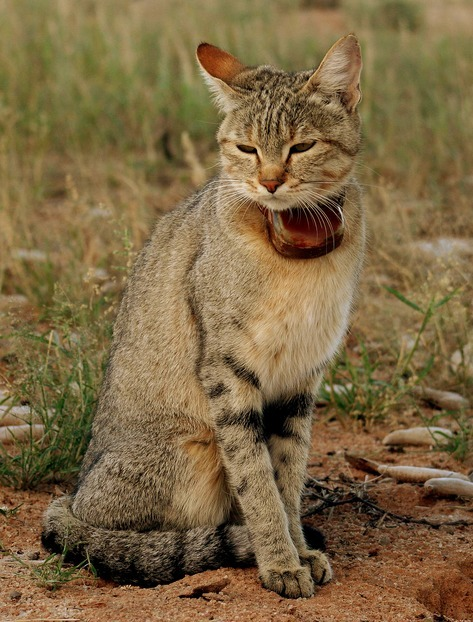
Figure 1. African wildcat (Felis silvestris lybica) in
Kgalagadi Transfrontier Park (South Africa/Botswana)
(Photo M. Herbst).
Hybridization between domestic and wild animals is a major concern for biodiversity conservation, and as habitats become increasingly fragmented, conserving biodiversity at all levels, including genetic, becomes increasingly important. Except for tropical forests and true deserts, African wildcats occur across the African continent; however, almost no work has been carried out to assess its genetic status and extent of hybridization with domestic cats. For example, in South Africa it has been argued that the long-term viability of maintaining pure wildcat populations lies in large protected areas only, isolated from human populations. Two of the largest protected areas in Africa, the Kgalagadi Transfrontier and Kruger National Parks, as well as the size of South Africa and range of landscape uses, provide a model situation to assess how habitat fragmentation and heterogeneity influences the genetic purity of African wildcats. Using population genetic and home range data, we examined the genetic purity of African wildcats and their suspected hybrids across South Africa, including areas within and outside of protected areas. Overall, we found African wildcat populations to be genetically relatively pure, but instances of hybridization and a significant relationship between the genetic distinctiveness (purity) of wildcats and human population pressure were evident.

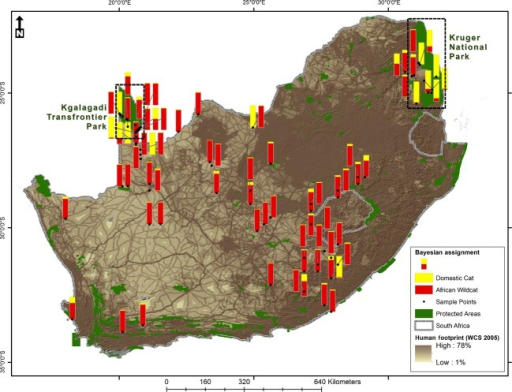
Figure 2. Distribution of collection sites of cats included in this study across
South Africa in relation to formal protected areas and human footprint pressure
The genetically purest African wildcats were found in the Kgalagadi Transfrontier Park, while samples from around Kruger National Park showed cause for concern, especially combined with the substantial human population density along the park's boundary. While African wildcat populations in South Africa generally appear to be genetically pure, with low levels of hybridization, our genetic data do suggest that protected areas may play an important role in maintaining genetic purity by reducing the likelihood of contact with domestic cats. We suggest that approaches such as corridors between protected areas are unlikely to remain effective for wildcat conservation, as the proximity to human settlements around these areas is projected to increase the wild/domestic animal interface. Thus, large, isolated protected areas will become increasingly important for wildcat conservation and efforts need to be made to prevent introduction of domestic cats into these areas.


 Read more on domestic wild feline hybridisation with domestic cat

Tuesday, 16 December 2014

Mongooses may be more dangerous predator than cats to burrowing seabirds

DUFFY, D. C. & CAPECE, P.I. 2014. Depredation of endangered burrowing seabirds in Hawai’i: management priorities. Marine Ornithology 42: 149–152.

Small Indian Mongooses Herpestes javanicus have until recently been absent from the island of Kaua’i, Hawai’i. In anticipation of required management, we examine evidence that mongooses may be a significantly more dangerous predator than cats Felis catus for burrowing seabirds, particularly the endangered Hawaiian Petrel Pterodroma sandwichensis and threatened Newell’s Shearwater Puffinus newelli. Mongooses are small enough to enter burrows, allowing them to take eggs, nestlings and adults. In contrast, cats appear too broad to enter any but the widest burrows, so they tend to attack adults and young when these come to the burrow mouth. Given that these seabird species no longer persist in any numbers at low elevations on islands where mongooses are present, and that Kaua’i is one of the lowest of the main Hawaiian islands, if resources are limited, local control or eradication of mongooses would be a higher priority for management than control of cats or rats Rattus spp., although control of just one predator might result in increases in the others. The most important management action is to keep mongooses off islands where they are not already established.

Friday, 12 December 2014

Toxoplasma gondii in domestic and wild animals from forest fragments in Brazil

Fournier, G. F. D. S. R., Lopes, M. G., Marcili, A., Ramirez, D. G., Acosta, I. C. L., da Silva Ferreira, J. I. G., Aline Diniz Cabral, Ribeiro de Lima, J.T., de Jesus Pena,H.F., Dias, R.A. & Gennari, S. M. Toxoplasma gondii in domestic and wild animals from forest fragments of the municipality of Natal, northeastern Brazil. Braz. J. Vet. Parasitol., Jaboticabal, 23 (4): 501-508

Toxoplasmosis stands out as a global disease that has felines as definitive hosts. In the municipality of Natal, Rio Grande do Norte State, Brazil, two parks are notable for their ecological and social importance. This study aimed to investigate the presence of Toxoplasma gondii in short hair cats, bats and small non-volant mammals in these two ecological reserves. Altogether, biological samples were obtained from 154 mammals, 92 wild animals from both areas and 62 domestic cats of the Parque da Cidade. In total, 22 (53.7%) non-volant wild mammals, 11 (21.5%) bats and 28 (52.8%) cats were positive for IgG anti-T. gondii antibodies using the Modified Agglutination Test (≥ 25). It was
possible to detect the presence of T. gondii DNA, by means of a molecular amplification of a B1 gene fragment (155bp), in 92 tissue samples from wild animals, including Didelphis albiventris, Monodelphis domestica, Artibeus lituratusCarollia perspicillata and Glossophaga soricina. Of the 62 cats examined by the same molecular method, T. gondii DNA could be detected in 4 cats. In this study, it was observed the circulation of T. gondii in wild species and domestic cats, demonstrating the involvement of wild and domestic animals in the cycle of T. gondii.

Breed of abandoned and lost dogs in Czech Republic

Voslarova, E., Zak, J., Vecerek, V., & Bedanova, I. (2014). Breed Characteristics of Abandoned and Lost Dogs in the Czech Republic. Journal of Applied Animal Welfare Science, (ahead-of-print), 1-11.
Records on sheltered dogs were collected from 3 municipal dog shelters situated in different regions of the Czech Republic from 2010 to 2013. A total of 3,875 dogs were analyzed in this study. Among these, 1,614 dogs were subsequently reclaimed (lost dogs) and 2,261 dogs were abandoned and offered for adoption. The ratio of purebred dogs and crossbred dogs differed significantly when comparing lost (66.4% vs. 33.6%) and abandoned dogs (35.0% vs. 65.0%). The median time until lost dogs were reclaimed was 1 day, and it was not affected by purebred status. The median time until abandoned dogs were adopted was 23 days. In abandoned dogs, purebred status had a significant effect on the time the dog spent at the shelter before adoption. The median time until adoption for crossbred dogs was 27 days, whereas the median time until adoption for purebred dogs was 19 days. The breed group influenced the length of stay (LOS) in abandoned dogs. Small companion dogs had the shortest LOS (median = 15 days) and guard dogs had the longest LOS (median = 25 days).

Thursday, 11 December 2014

Toxocara cati in Didelphis albiventris from Brazil

Pinto, H. A., Mati, V. L. T., & de Melo, A. L. 2014. Toxocara cati (Nematoda: Ascarididae) in Didelphis albiventris (Marsupialia: Didelphidae) from Brazil: a case of pseudoparasitism. Braz. J. Vet. Parasitol., Jaboticabal, 23, (4): 522-525
Eggs of Toxocara cati were found in the feces of Didelphis albiventris from a peridomestic urban environment in Brazil. Negative fecal tests following short-term captivity of the opossums, as well as the absence of ascaridids during necropsy, suggest the occurrence of pseudoparasitism. Implications of the findings for the epidemiology of toxocariasis are discussed.

Tuesday, 9 December 2014

Diet of the feral ca in central Australian grasslands during population cycles of its principal prey

Yip, S. J., Rich, M. A., & Dickman, C. R. (2014). Diet of the feral cat, Felis catus, in central Australian grassland habitats during population cycles of its principal prey. Mammal Research, 1-12.

Foraging theory predicts that animals should forage so as to maximize their net rate of energy gain or to minimize their risk of starvation. In situations where prey numbers fluctuate dramatically, theory predicts further that foragers will eat ‘optimal’ prey when it is abundant but expand their diet to include other prey types when the optimal prey is scarce; this is the alternative prey hypothesis. Here, we test this prediction by analyzing the diet of a mammalian predator, the feral house catFelis catus, during periods of scarcity and abundance of the long-haired rat Rattus villosissimus. We also investigate whether the body condition of feral cats differs during different stages of the prey population cycle. Feral cats were shot during culling operations in semi-arid grassland habitats in central Queensland, Australia, and the stomach contents later identified. We found that the body condition of feral cats did not differ between phases of the prey population cycle, but the diets of cats culled when long-haired rats were scarce were significantly more diverse than when this rodent was abundant. Rats comprised about 80 % of cats’ diet by volume and frequency of occurrence when they were present, whereas birds, reptiles and invertebrates comprised the bulk of the diet when rats were not available. We conclude that, whilst feral cats are often thought to be specialist predators, they may be better considered as facultative specialists that will shift their diet in predictable ways in response to changes in the abundance of primary prey.
Related Posts Plugin for WordPress, Blogger...